You can print the page right away or simply zoom in to study the details of a lewis diagram hocl on screen. It is a handy reference for chemistry students, teachers, or any curious hobbyist. If you need to compare structures, you might find other resources like a lewis diagram worksheet pdf over at Cms Staging. The diagram is clear and easy to follow, making it a practical tool for quick reference.
Understanding the Lewis Diagram for HCl and HOCl Differences
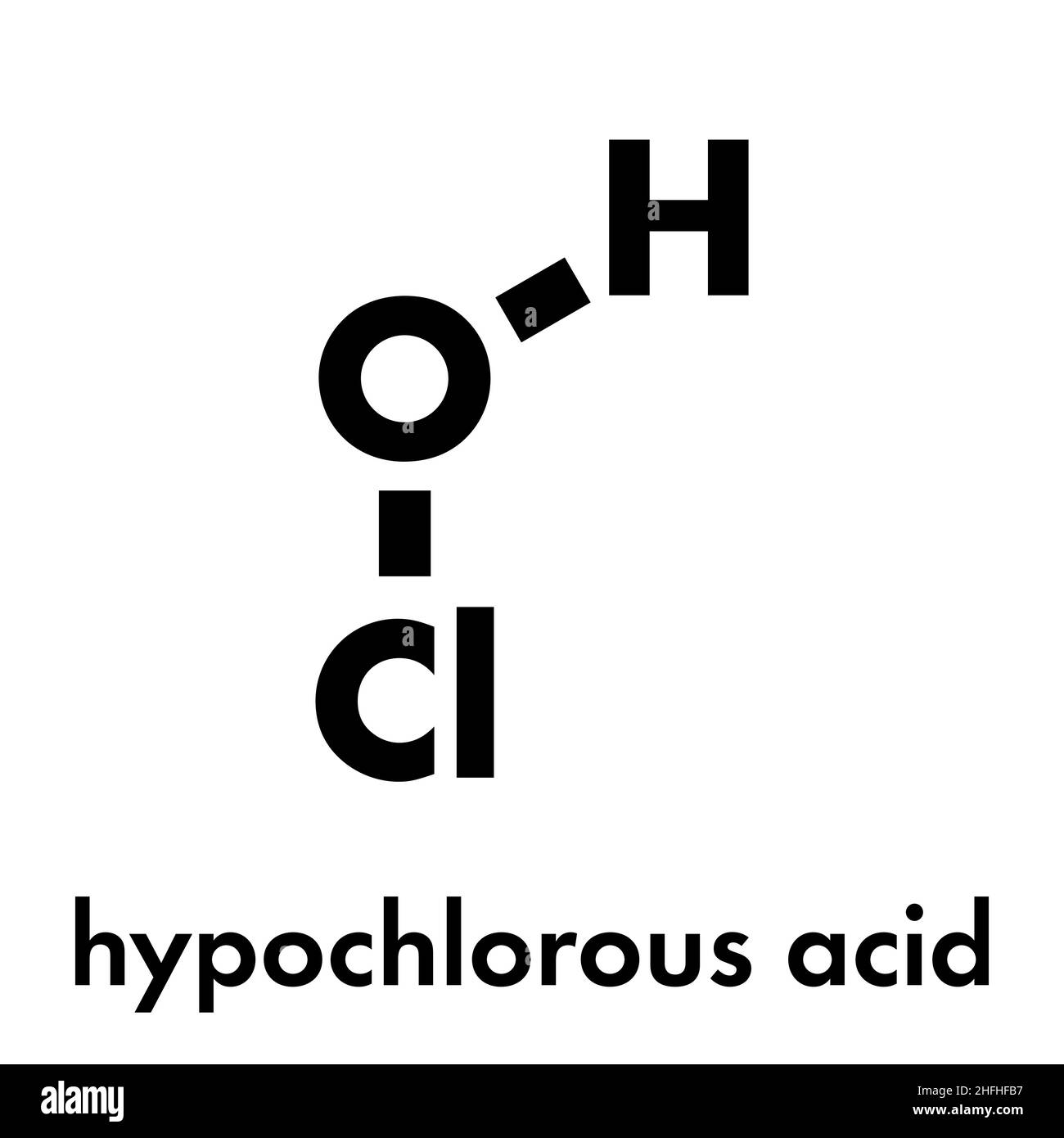
When looking at any diagram of this nature, the first thing to catch the eye is the arrangement of letters and dots representing the molecular structure. A lewis diagram hocl displays the hypochlorous acid molecule, showing how one hydrogen, one oxygen, and one chlorine atom share electrons to stay bonded together. The diagram typically uses letters as the chemical symbols for the atoms, while the surrounding dots represent the valence electrons that are not involved in the actual bonds. It is a straightforward visual language that turns abstract chemical formulas into something tangible.

It is easy to mix up diagrams, especially when the names look similar on a quick glance. For instance, a student might accidentally pull up a lewis diagram for hcl when they actually need the HOCl version, noticing too late that the simple hydrochloric acid structure lacks the oxygen atom entirely. This distinction is vital because adding that oxygen changes the properties and the shape significantly. Checking the atomic symbols carefully prevents that common mix-up and ensures the right reference material is being used for the task at hand.


Comparing the Oxygen Bonds with the Lewis Diagram for O2
The oxygen atom sits at the center of the HOCl structure, acting as a bridge between the hydrogen and the chlorine. This central position dictates the layout of the entire diagram, creating a distinct bend in the molecule’s shape rather than a straight line. In contrast, anyone familiar with a lewis diagram for o2 knows that oxygen prefers to bond with itself in a straight, double-bonded line when isolated. Seeing these two diagrams side-by-side helps clarify how oxygen behaves differently when it connects to other elements instead of just another oxygen atom.

The diagram for HOCl illustrates how the central oxygen atom forms a single bond with the hydrogen on one side and another single bond with the chlorine on the other. These connections are usually drawn as simple lines connecting the letter symbols. This arrangement results in a bent molecular geometry, which is a fancy way of saying the molecule looks like a wide "V" shape. This shape is a key feature for understanding how the molecule interacts with others in a solution.

Reading the HOCl Dot and Cross Diagram
For those who prefer to see exactly where the electrons come from, the hocl dot and cross diagram offers a slightly different perspective. While standard Lewis diagrams often use simple dots for all electrons, the dot and cross method distinguishes the origin of each electron. One atom’s electrons might be shown as dots, while the other atoms’ electrons are shown as crosses or small circles. This variation is particularly useful for visual learners who want to track the give-and-take of electron sharing during bond formation.
This type of diagram clearly highlights the single bond Cl-O and the single bond O-H, showing just two shared pairs of electrons for the connections. Around the chlorine atom, viewers will see a busy cluster of dots and crosses representing three lone pairs, giving it a full outer shell. The oxygen atom also carries two lone pairs, which are the electrons not involved in bonding but important for the molecule's stability. These visual cues make it easier to understand why the atoms stick together in this specific pattern.
Examining the Lewis Diagram of Hypochlorous Acid
The lewis diagram hocl serves as a reliable map for identifying the electron distribution in hypochlorous acid. By looking at the symbols and the surrounding dots, one can quickly determine that this is a polar molecule. The uneven distribution of electrons, caused by the different electronegativities of oxygen and chlorine, creates a slight electrical dipole. This is a fundamental concept for anyone studying the behavior of acids and oxidizers in water treatment or cleaning solutions.

Teachers often use this diagram to explain why certain substances dissolve the way they do. It provides a clear snapshot of the molecule's electron count, confirming the total valence electrons match the expected count for the structure. For a hobbyist interested in water chemistry or a student preparing for an exam, having this diagram on hand simplifies the process of verifying molecular stability. It is a practical shortcut that saves time on recalculating the structure from scratch.
Visualizing the Lewis Structure HOCLO and Similar Acids
Sometimes a search for a specific diagram brings up related compounds that can cause confusion, such as the lewis structure hoclo. This variation usually refers to chloric acid, which contains an extra oxygen atom compared to hypochlorous acid. While the diagrams look somewhat similar at a glance, the extra oxygen changes the oxidation state and the geometry entirely. Noticing these small differences in the letter arrangement helps ensure the correct chemical is being studied or referenced.
When moving between different diagrams, it helps to have a consistent method for reading them.
- First, identify the central atom, which is usually the least electronegative element other than hydrogen.
- Next, count the total number of valence electrons available from all participating atoms.
- Then, draw single bonds to connect the outer atoms to the central one.
- Finally, distribute the remaining electrons as lone pairs to satisfy the octet rule for the surrounding atoms.
This systematic approach works whether one is looking at a simple HOCl diagram or a more complex one like the lewis diagram for clf3, making it a versatile skill for any science enthusiast. For those needing extra practice, there are more free resources available online to test these skills.

How to Draw a Lewis Diagram of HOCl for Study
Learning to sketch the structure independently is often the best way to memorize it. When the goal is to draw a lewis diagram hocl from memory, starting with the central oxygen atom is the most logical step. Placing the hydrogen and chlorine on either side and connecting them with lines for the bonds creates the skeleton. From there, adding the lone pairs to the chlorine and oxygen completes the picture, resulting in the characteristic bent shape. This hands-on practice solidifies the mental image better than just looking at a printed sheet.


This diagram is a fantastic quick reference during study sessions or when planning a chemistry project. It is suitable for high school students, college undergraduates, or even technicians who need a refresher on the properties of disinfectants they work with. Unlike complex bohr and lewis diagrams that show all electron shells, this simplified dot structure focuses purely on the bonding electrons, stripping away the noise to show the essentials. It remains one of the most effective tools for quick identification and comparison in the lab or at the desk.

If you want to make this diagram a bit more hands-on, try using small candies or stickers to represent the electron pairs; it turns a flat worksheet into a fun break for younger learners or anyone who prefers visual learning. For those ready for a bigger challenge, you might cover the finished example and see if they can reconstruct the bonds from memory.
There are plenty of other helpful guides and printables in our latest posts if you are looking for more simple science activities to try out. Feel free to leave a comment below letting us know how you used the diagram and if it helped make those tricky molecular bonds a little easier to understand.