Simply print the file, pick a favorite page, and start sketching. This brown bear drawing guide works well for young kids or anyone just starting out with a pencil. It offers a clear way to practice basic shapes and lines. Some might find it helpful for brown bear book art activities or just for a quiet afternoon craft.

Brown Bear Colouring Pages for Creative Fun
A brown bear drawing serves as an excellent foundation for various coloring projects. The image typically presents the animal in a stance that allows for generous application of wax crayons, colored pencils, or markers. Large, open areas usually make up the bulk of the form, representing the thick fur, while smaller details might appear around the snout and claws. This setup suits younger artists who are still developing their fine motor control, as staying inside the lines is manageable but still offers a bit of a challenge. Hobby artists might also enjoy using these outlines to practice shading techniques, experimenting with different pressures to create depth in the fur. For those looking for resources, finding a brown bear clip art black and white image is often the easiest starting point for a coloring session.
Using a reference image for coloring is a straightforward activity that requires minimal setup. A printed sheet, a flat surface, and a basic set of colors are all that is necessary to begin. The goal here is relaxation and engagement with the subject matter, rather than strict adherence to realistic hues. While brown is the standard choice, there is plenty of room for creativity, perhaps inspired by stories like We Bare Bears drawing styles where characters take on distinct, stylized appearances. This flexibility makes the activity suitable for a quiet afternoon at home or as a structured task in a group setting.

Read also:
Focusing on the Bear Face in Drawings
The face is often the most expressive part of any animal sketch, and a brown bear face drawing offers specific opportunities to practice facial features. Typically, the head shape starts as an oval or a slightly flattened circle. The ears sit high on the sides, appearing as semi-circles that frame the top of the head. Eyes are usually small, round, and set fairly far apart, while the nose is prominent and centered on the snout. Capturing these proportions correctly is a good exercise for anyone learning about animal anatomy.
When sketching the face, paying attention to the placement of the eyes and nose helps create a recognizable look. The snout extends outward, often depicted as a tapered cylinder, which gives the animal its distinct profile. Artists might choose to add slight shading around the eyes or under the chin to suggest dimension. This focus on the face works well for beginners wanting to master cute bear art without committing to a full body sketch. It isolates the key features, making it easier to correct mistakes and refine lines without redoing an entire composition.

Creating a Simple Brown Bear Sketch
A simple brown bear drawing usually breaks the animal down into basic geometric forms. The body might look like a large oval, while the legs are represented by sturdy rectangles or rounded pillars. This approach demystifies the process of drawing a large mammal, making it accessible for those just picking up a pencil. By starting with light, loose shapes, anyone can map out the posture and size before adding any texture or fur details.
Constructing the sketch involves connecting these primary shapes with smooth lines.
- Start with a large circle for the torso and a smaller one for the head.
- Add overlapping ovals for the legs and shoulders.
- Lightly sketch the connection lines for the neck and spine.
- Refine the outer contour to suggest a furry texture.

This methodical way of building a figure is helpful for art students who need to understand structure before adding surface details. It prevents the drawing from looking flat and ensures that the bear looks balanced on the page. Following a brown bear drawing easy step by step guide often reveals just how effective this shape-based method is for achieving a solid result.
Working with a Basic Bear Outline
An outline drawing of a bear provides a clean boundary for the subject, separating it clearly from the background. This style is particularly useful for crafts, such as making stencils for wood burning, fabric painting, or paper cutting. The lines are generally continuous and unbroken, defining the silhouette of the animal without internal shading or complex texturing. For those interested in iconic symbols, a California bear line drawing often relies on this strong, graphic quality to convey a sense of place and history.

Using outlines helps train the eye to see the "negative space" around the subject—the shapes formed by the background—which is a fundamental skill in visual arts. When someone asks to "show me a drawing of a bear" for a pattern or a logo, they are usually looking for this type of clear, distinct contour. It allows for easy adaptation into different media, whether it is a digital vector graphic or a hand-drawn pencil sketch. The simplicity of an outline makes it a versatile tool for both educational worksheets and decorative art projects. Just as a [Double Number Line Diagram for Visual Math Reference] simplifies complex ratios, a clear bear outline simplifies the complex form of the animal into an understandable graphic.
Exploring Cartoon Bear Styles
A brown bear drawing cartoon style often exaggerates specific features to create a friendly or humorous effect. The head might be larger than the body, the eyes wider, and the limbs rounder and softer. This style is popular in children's book illustrations and animation. It moves away from strict anatomical correctness toward a more interpretive and expressive representation. The lines are often bolder and more confident, sometimes varying in thickness to add visual interest.
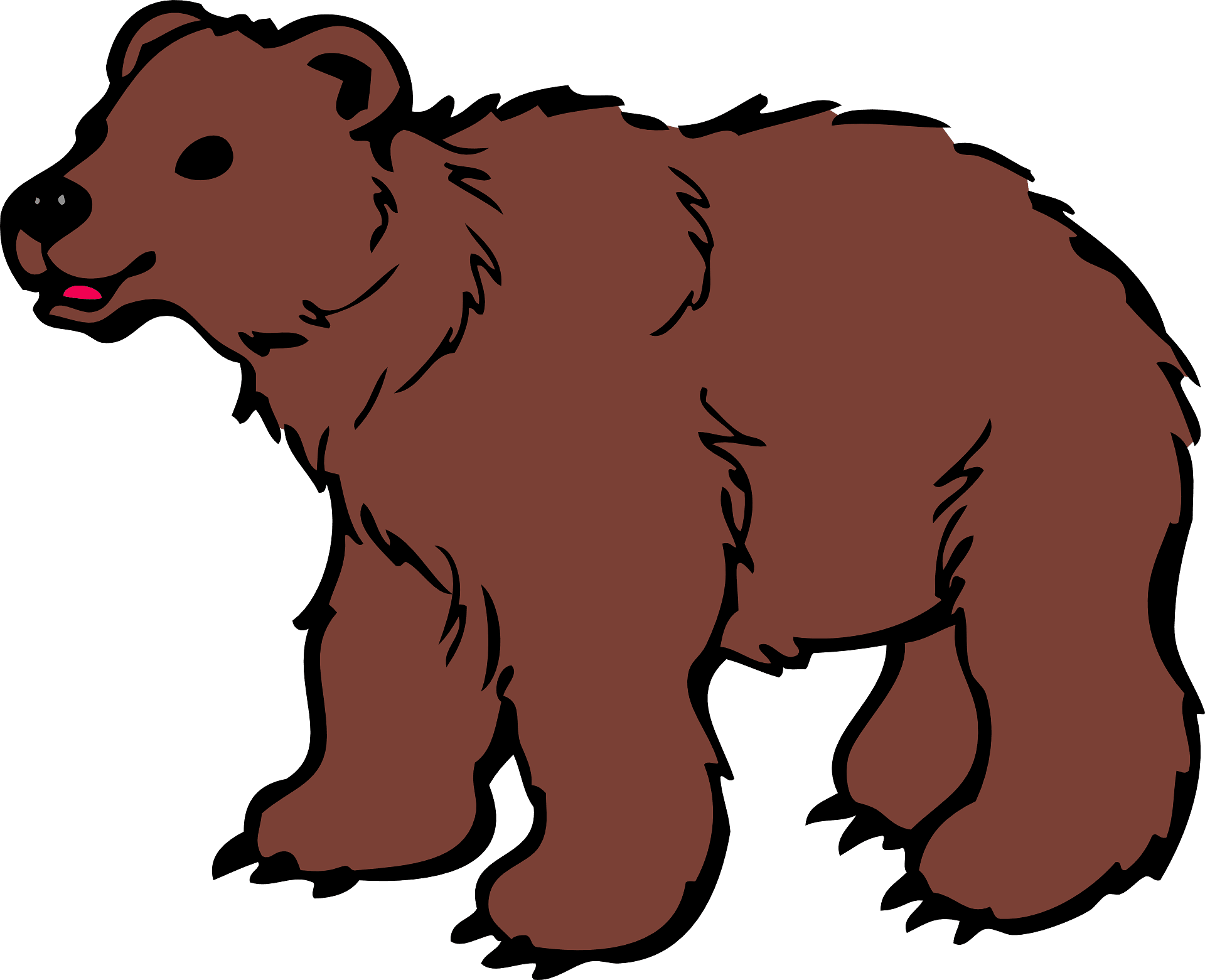
Cartooning allows for more creative freedom with the bear's posture and expression. A furry bear sketch in a cartoon style might use quick, jagged lines to suggest texture without drawing every individual hair. This approach suits hobby artists who want to develop their own signature style or create characters for a comic strip. It is less about getting the proportions perfect and more about capturing a personality. Because the forms are simplified, it is also a forgiving style for beginners who may feel intimidated by realistic renderings.
Drawing a Brown Bear Cub
Depicting a brown bear cub drawing shifts the focus to different proportions and details compared to an adult bear. Cubs typically have larger heads relative to their bodies, shorter snouts, and rounder ears. The paws often look oversized and clumsy, adding to the youthful appearance. Capturing this distinct look requires attention to scale; the eyes should appear bigger and more innocent, usually set lower on the face.

Sketching a cub is a wonderful exercise in observing how age affects anatomy. The stance might be playful, perhaps sitting upright or mid-tumble, which adds a dynamic element to the page. This subject matter is ideal for those interested in wild bear illustration that tells a story or evokes an emotional response. The rounded shapes make the drawing approachable, and the resulting image often fits well in nursery decor or nature-themed stationery. Whether used for practice or a finished piece, drawing a cub offers a chance to explore softer shapes and gentler lines.
You might also like Double Number Line Diagram for Visual Math Reference.

Finding the right shades of brown or a new way to texture fur can make all the difference in how the final piece turns out. Sharing those little discoveries is often the best way for everyone to improve their craft and find fresh ideas.
If you have a favorite tool or a specific technique that works well for wildlife coloring, feel free to drop a comment below. It is always helpful to see what methods are working best for others.