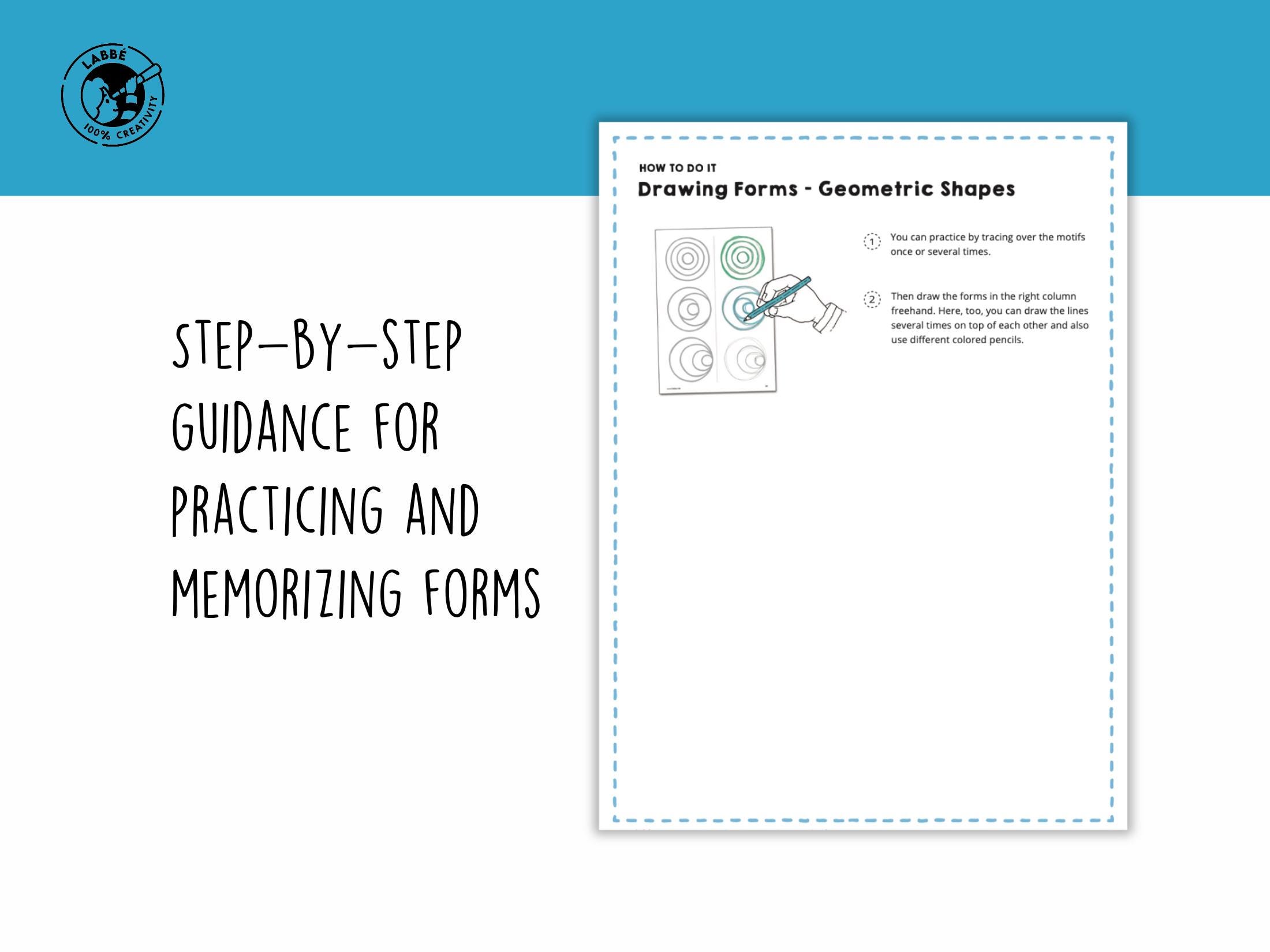
Simply print the drawing from forms worksheet, pick a page, and try drawing the shapes step by step. It’s a helpful resource for beginners or anyone looking to build confidence with a pencil. For more creative prompts, you might also like this collection of 20 Free Drawing Clip Art Printables for Practice. It takes the guesswork out of practice time and makes starting a new sketch feel much easier.

Breaking Down Complex Shapes into Simple Letters
The foundation of this drawing from forms worksheet lies in its ability to simplify complex objects into manageable parts. Instead of tackling a detailed subject all at once, the worksheet encourages a focus on the underlying geometry. This approach is similar to learning how to draw an f or any other letter by starting with straight lines and curves before adding stylistic flourishes.


By stripping away details, the artist can see the structure holding the drawing together. A table leg becomes a cylinder, and a teapot becomes a series of connected spheres and cones. This method helps train the eye to spot the basic building blocks in everyday objects, making the blank page feel much less intimidating.

Understanding the Basics of Geometric Form Practice
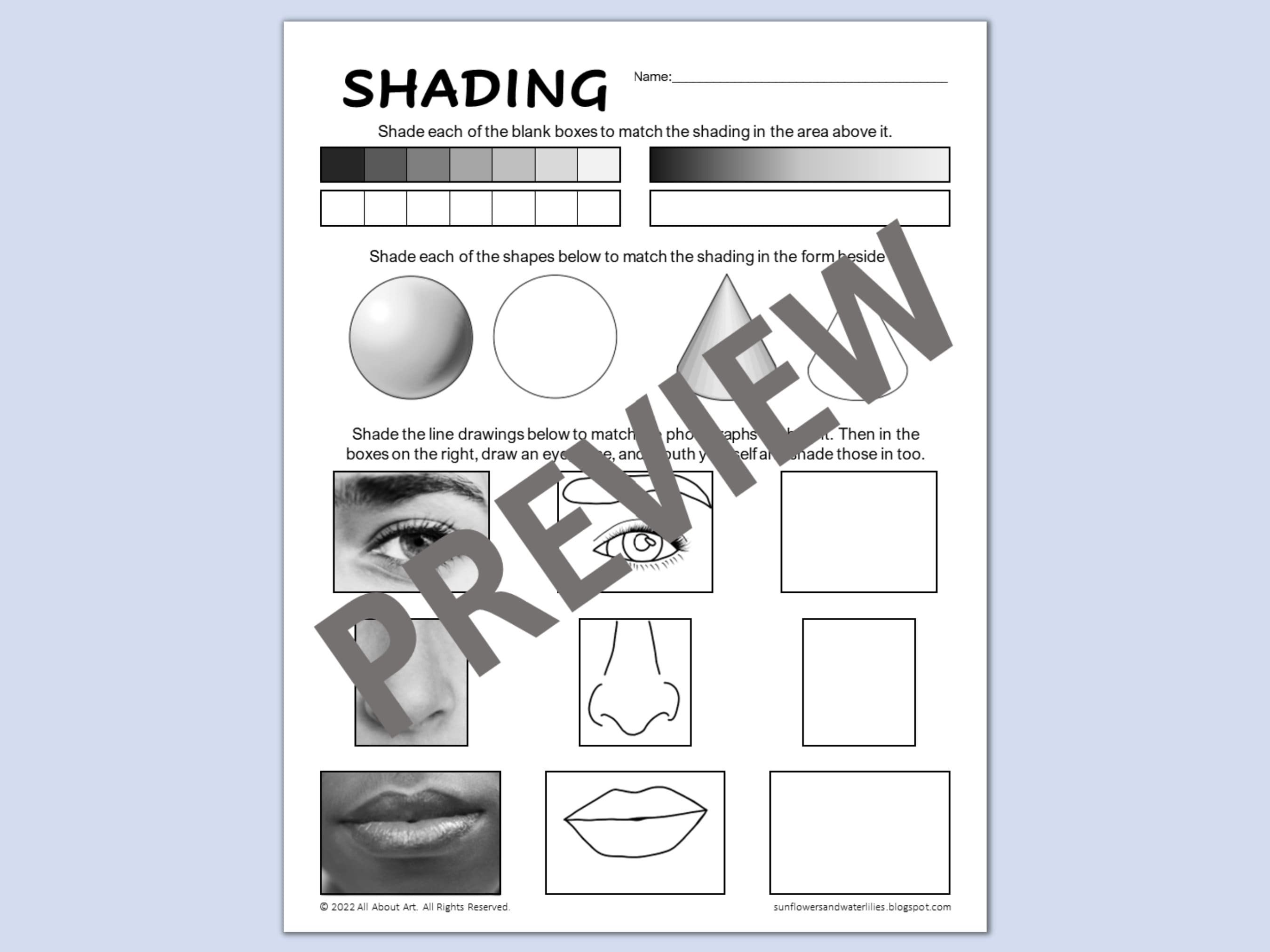
Many beginners wonder about the difference between a flat shape and a three-dimensional form, which brings us to a common question: what is a form q or any other letter doing in an art lesson? In this context, the worksheet uses letters and shapes to demonstrate volume. While a square is flat, a cube has depth; while a circle is a line, a sphere occupies space. The practice pages typically feature these fundamental solids—spheres, cubes, cylinders, and cones—often paired with their two-dimensional outlines for comparison.


These worksheets guide the user through the process of adding depth to flat lines. Through geometric form practice, artists learn to turn a simple circle into a rounded, three-dimensional sphere. The drawings usually include faint guide lines that show the axis of rotation or the perspective lines, helping to visualize how the object sits in space rather than just on the paper.


Practicing the Art of Rendering Light and Shadow
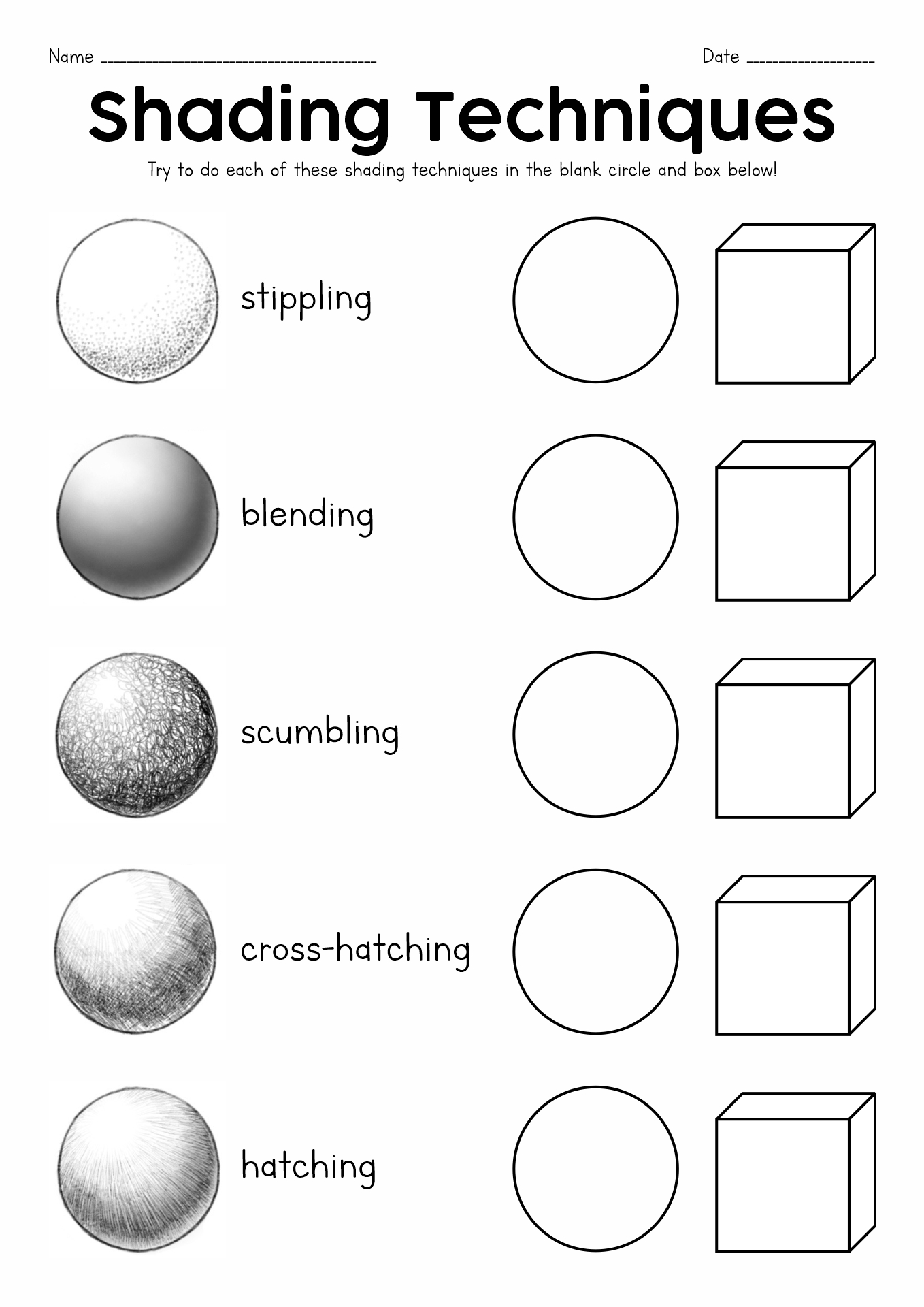
When exploring what is the art form drawing at its technical core, it often comes down to the manipulation of light. A worksheet dedicated to forms provides the perfect sandbox for a value gradation exercise. Since the shapes are simple, there is no distraction from the texture or intricate patterns, allowing full attention to where the light hits the object and where the shadows fall.

The reference images on the page typically show a consistent light source, creating clear highlights and cast shadows. This setup is ideal for practicing cube shading techniques or smoothing out tones on a curved surface. The goal is not just to outline the shape but to make it look like it could be picked up off the page.
- Identify the direction of the light source shown on the reference image.
- Map out the core shadow and the cast shadow areas lightly with a pencil.
- Build up the tone gradually, keeping the highlight areas clean.
- Blend the graphite to create smooth transitions on rounded forms like spheres and cylinders.
A Practical Worksheet Drawing for Kids and Beginners
This type of resource serves as an excellent activity for younger artists or those just picking up a pencil. A well-designed drawing from forms worksheet offers a structured way to practice without the pressure of inventing a subject. For a drawing worksheet for kg class students, the focus might remain on tracing and recognizing shapes, while older hobby artists can use the same pages for cylinder contour drawing or shading drills.

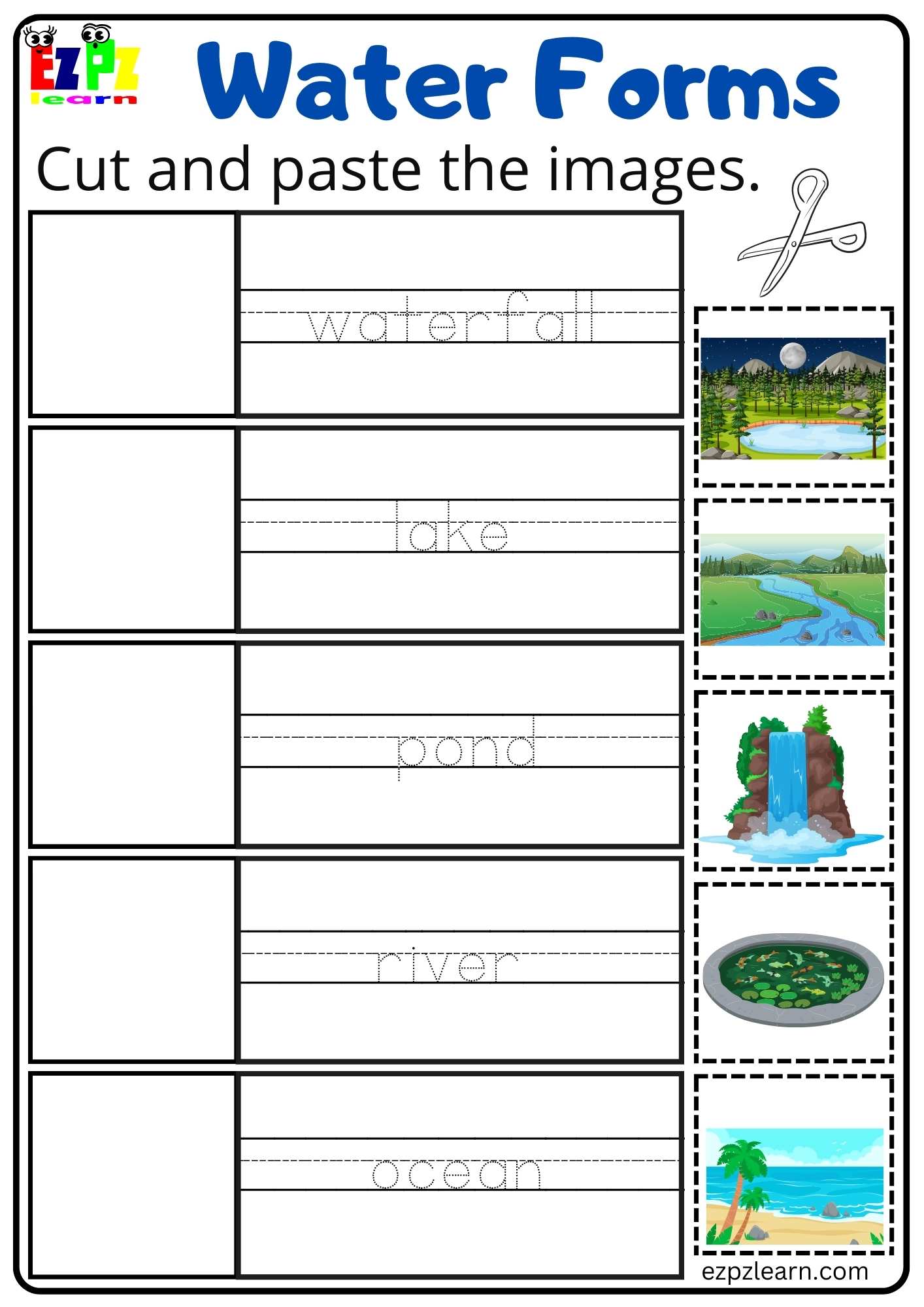
It works well for quiet activity time at home or as a structured task in a group setting. The clear visual instructions allow for independent work, as the steps are easy to follow. Just as older students might use How to Use an Empty Venn Diagram for Clear Analysis to organize their thoughts, this worksheet helps organize visual perception, breaking down the complexity of drawing into single, achievable steps.
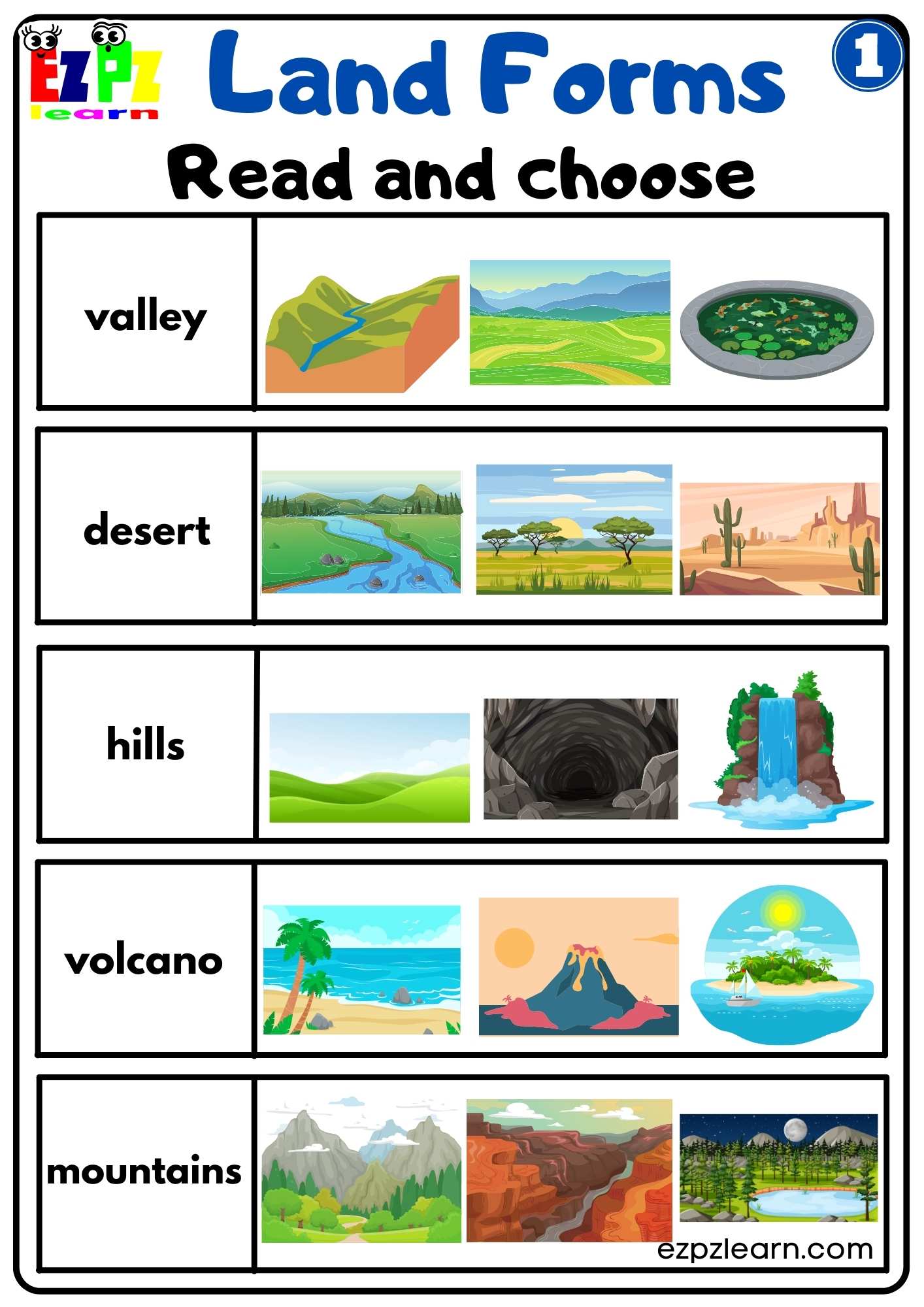

Advancing to Complex Figures and Anatomy
Once the basic geometric shapes are mastered, these same principles apply to more advanced subjects like figures and anatomy. Those interested in how to draw the female form will find that the process is identical to drawing a simple cylinder or sphere. The human body is essentially a complex arrangement of these basic forms, fitted together like a puzzle.


The worksheet acts as a bridge, taking the artist from a simple sphere drawing practice to understanding the rounded volumes of a shoulder or the cylindrical structure of a neck. By learning to see the world as a collection of forms rather than flat outlines, drawing complex subjects becomes a matter of assembly rather than guesswork. This foundational skill is what turns a simple sketch into a convincing representation of reality.

Finding the underlying shapes in everyday objects makes the whole drawing process feel much more approachable. Once that clicks, moving on to specific projects like those 23 Free Printable Brown Bear Drawing Ideas becomes a lot easier since the initial steps are already sorted out.
Sharing different approaches helps everyone find what works best for them. If you have a favorite tip for simplifying complex forms, feel free to drop it in the comments below.