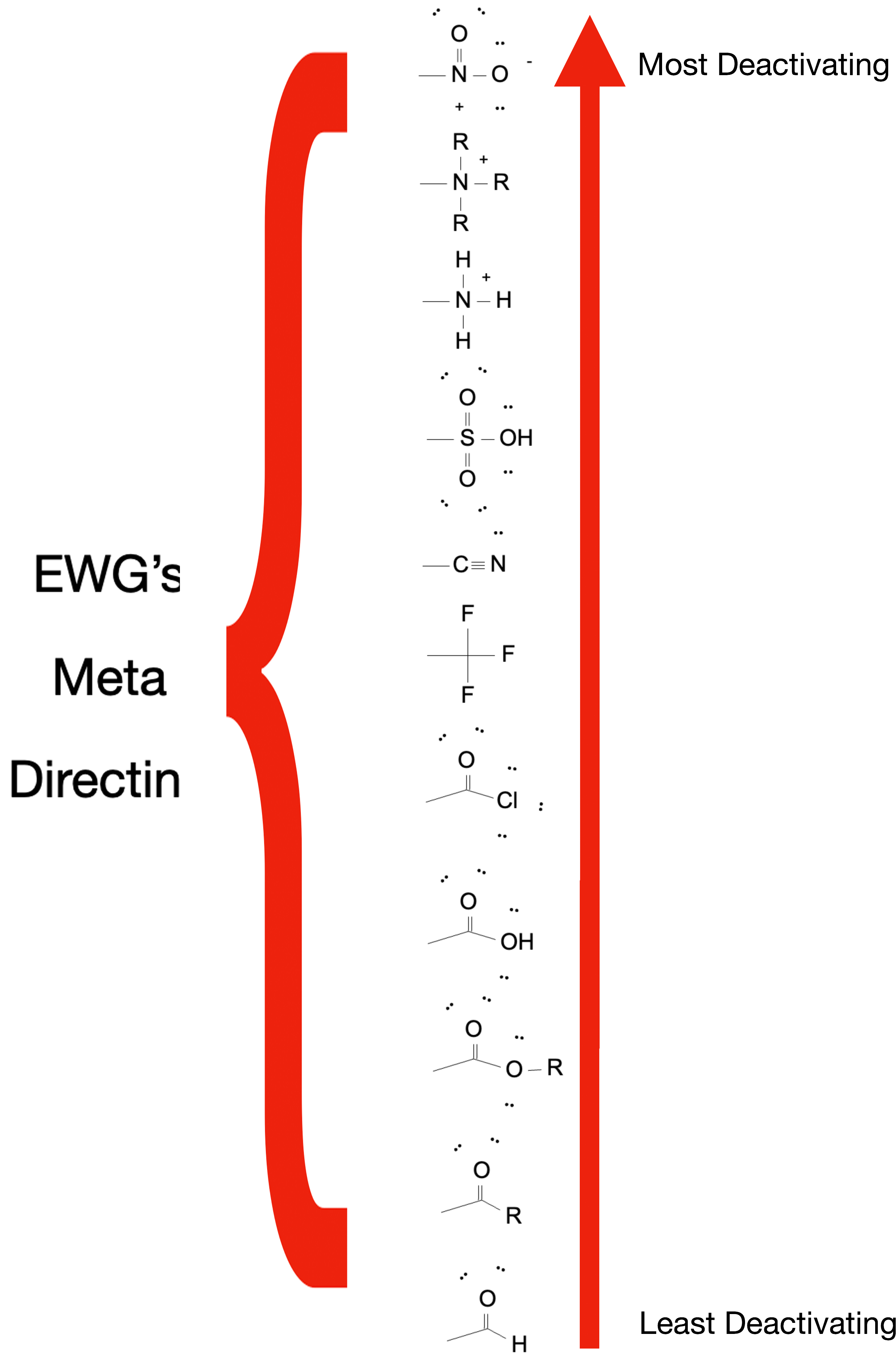
For the quickest result, simply print the page showing electron donating and withdrawing groups and use it as a helpful visual reference. It is a useful aid for anyone studying a level chemistry or needing clear examples. You might also find value in these 27 Executive Branch Drawing Ideas to Print for other subjects. This resource helps clarify common questions, such as if a CN group is donating or withdrawing, by keeping the information organized.
Understanding Acidity and Substituent Effects
When looking at a reference sheet for electron donating and withdrawing groups, acidity is often the first concept addressed visually. A typical drawing or chart used for this subject will arrange chemical structures in a way that highlights how different substituents influence the acidity of a neighboring proton. The visual layout often involves a central comparison, showing a base molecule next to variants with different functional groups attached. This allows for a direct side-by-side assessment of how a specific group changes the molecule's properties.

The shapes in such a drawing are generally composed of hexagonal rings and linear text labels. Clear, crisp lines are essential here to distinguish between the bonds of the molecule and the arrows indicating electron movement. While the drawing itself is scientific, the artistic approach to creating a clear, hand-drawn version involves steady handwork and an understanding of spatial arrangement. It serves as a perfect practical exercise for anyone needing to memorize these structures, as the act of drawing reinforces the memory of which groups fall into which category.
Distinguishing Donating and Withdrawing Groups
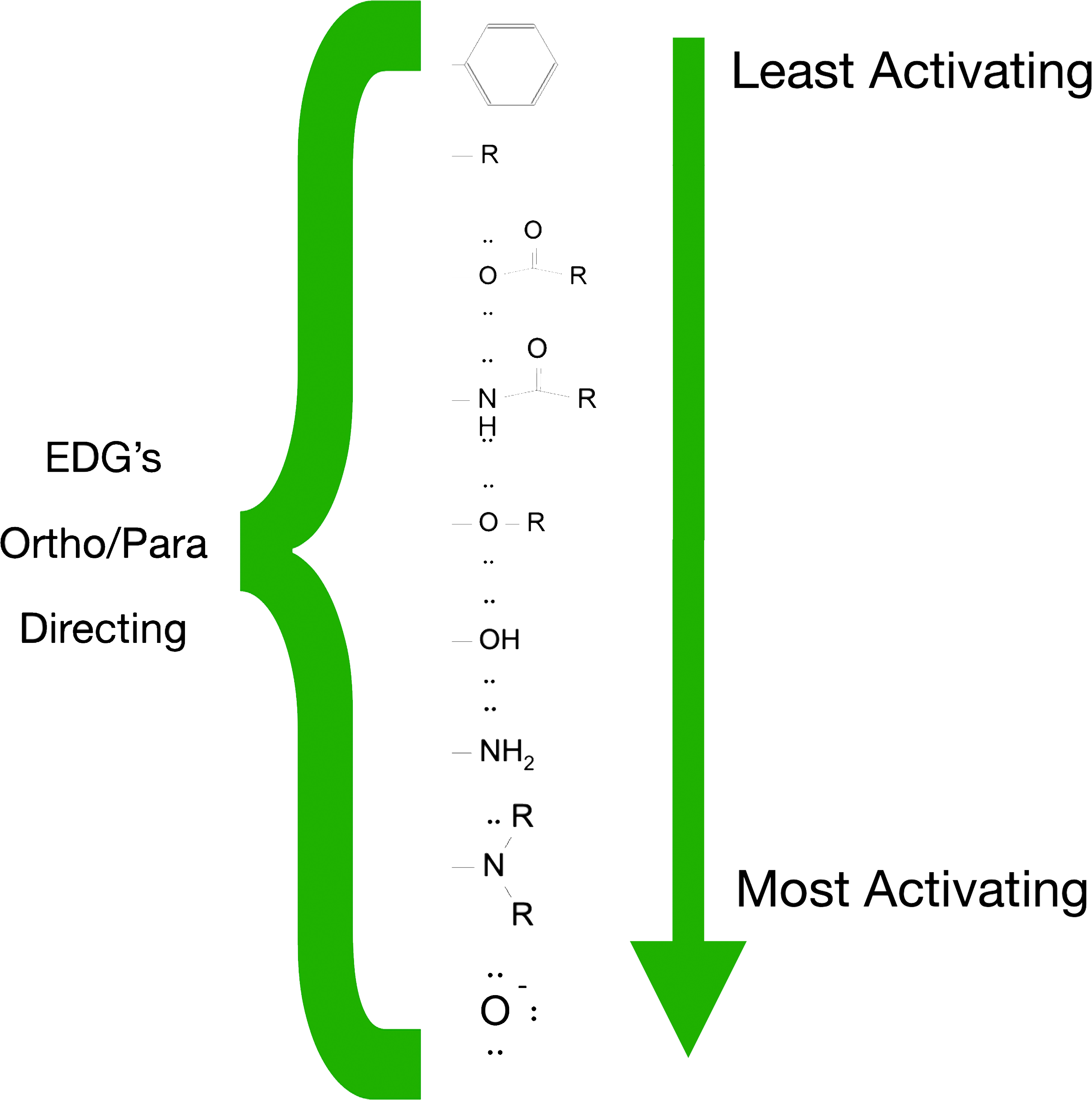
A practice drawing focused on electron donating or withdrawing groups typically divides the page into two distinct sections. One side visually lists the activating groups, while the other details the deactivating groups. This clear separation is vital for a study aid, preventing confusion during revision sessions. The drawing acts as a map, guiding the eye through the various nitro, hydroxyl, and alkyl groups that populate organic chemistry syllabi.

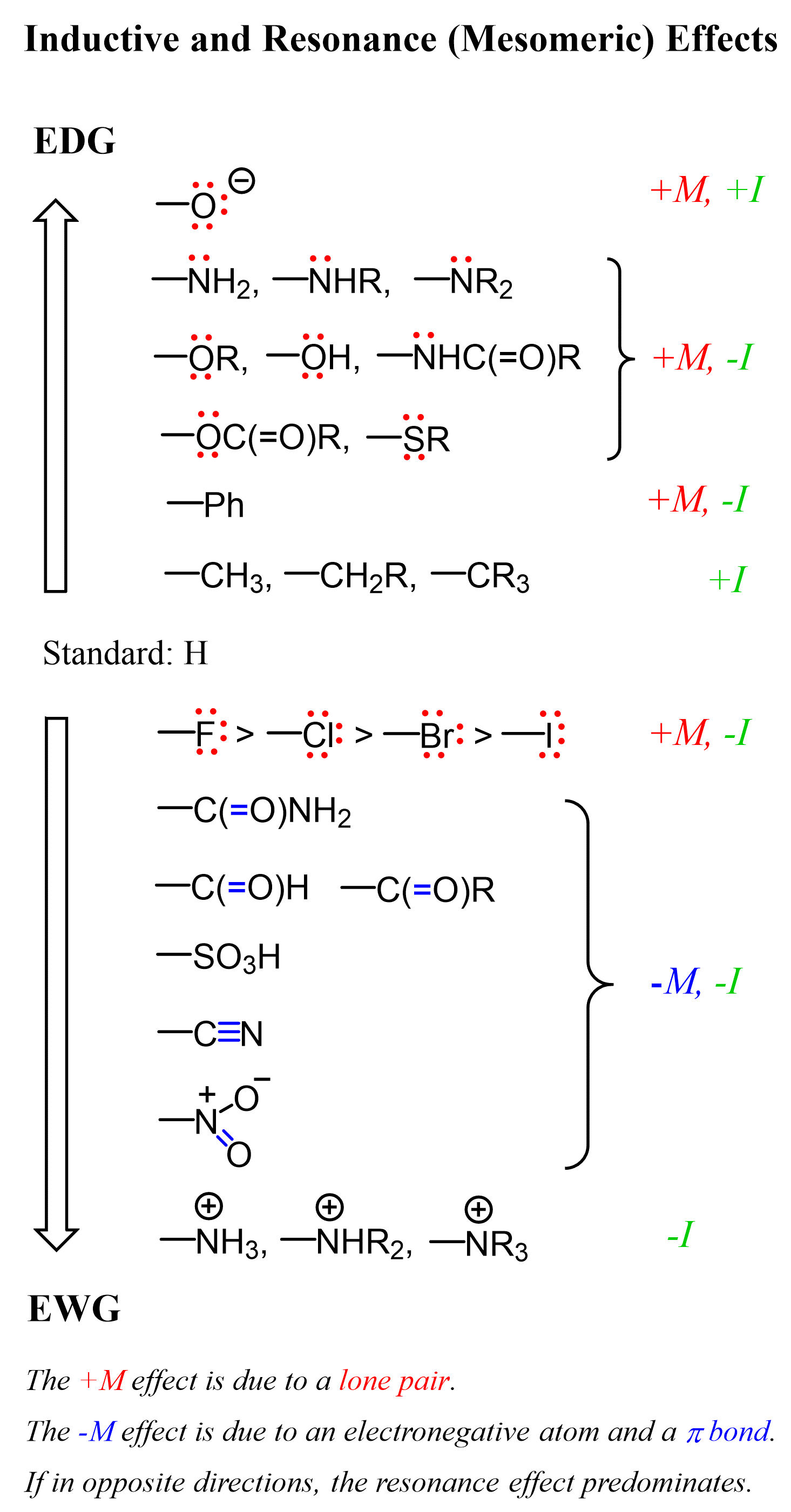
For those wondering what are electron withdrawing and donating groups, a visual chart simplifies the answer. Instead of wading through dense text, the viewer sees the groups classified by their electronic effects. A sketch might use arrows to show the direction of electron flow, using solid lines for inductive effects and curved arrows for resonance effects. Creating a personal copy of this chart requires attention to lettering and symbol placement, making it a quiet, focused activity suitable for older students or hobby artists with an interest in science. The process of copying these diagrams helps clarify strong electron withdrawing groups versus weaker ones, embedding the hierarchy in the artist's mind.
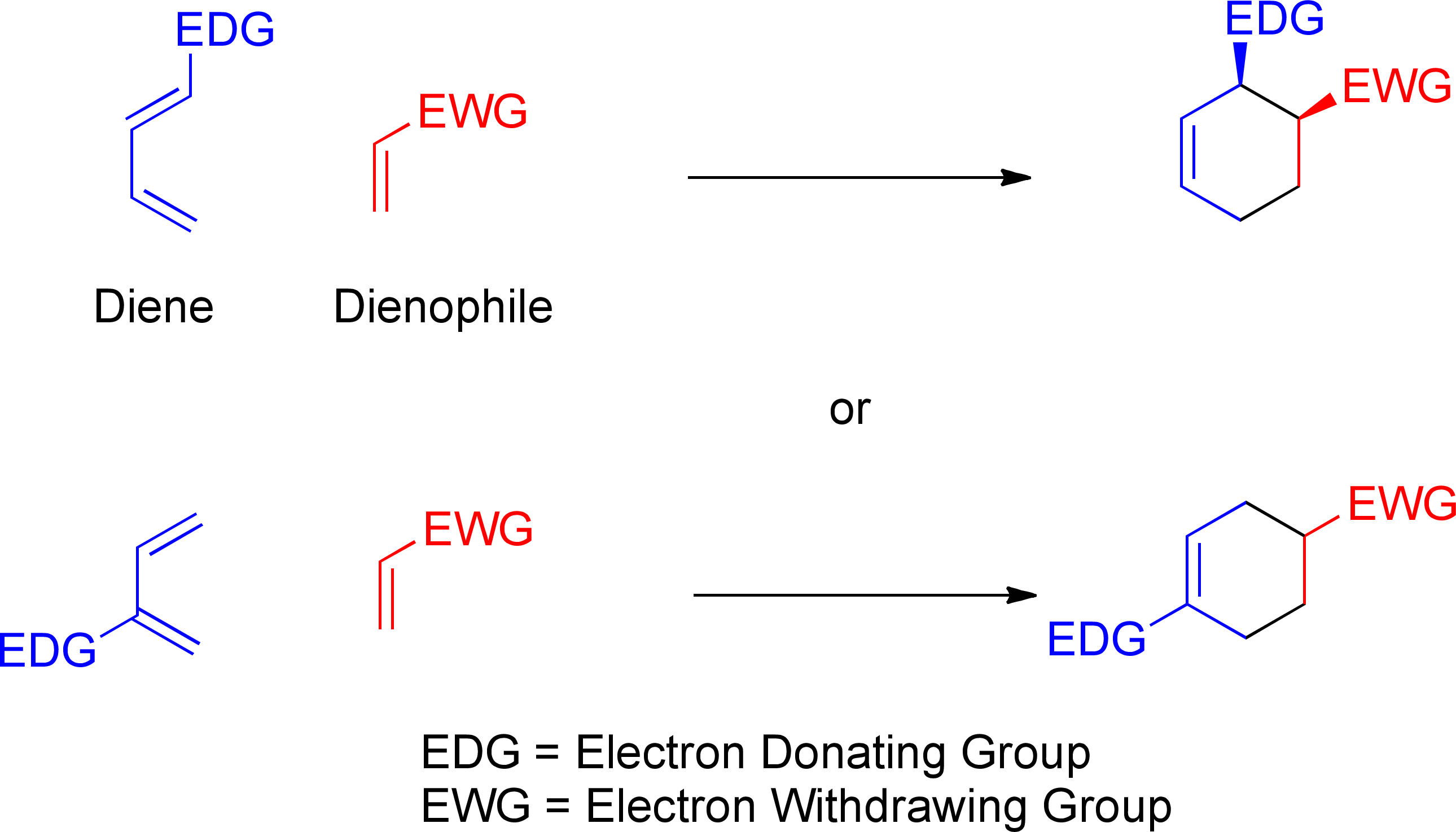
Study Aids for Class 12 Chemistry
Students tackling advanced coursework often need precise diagrams that cover the electron donating and withdrawing groups class 12 curriculum requirements. A drawing suitable for this level includes more than just basic labels; it often incorporates detailed resonance structures to explain the underlying logic. The artwork might feature a benzene ring with various substituents, surrounded by "arrow-pushing" diagrams that show how electrons move through the structure.

This type of detailed scientific drawing suits art students or beginners who appreciate precision and structure in their work. The lines are usually fine and deliberate, requiring a sharp pencil or fine-tip pen. It is an excellent exercise in technical drawing, where accuracy is more important than flair. One might use tracing paper to master the complex arrow formations before committing them to the final page. This method of copying provides a calm, repetitive task that quiets the mind while serving a practical academic purpose.

The Meaning Behind the Diagrams
To truly grasp the electron withdrawing and donating groups meaning, a drawing must visualize the invisible forces at play. A good reference drawing uses visual metaphors, such as varying line weights or color blocks, to represent areas of high and low electron density. For instance, a region with a high concentration of negative charge might be shaded lightly, while electron-deficient areas remain white. This visual representation turns an abstract concept into something tangible.

The shapes involved are usually standard chemical notation: hexagons for rings, wedges for bonds coming out of the plane, and dashes for bonds going in. Drawing these shapes repeatedly is a fantastic way to warm up the hand before a sketching session. It builds muscle memory for geometric forms. For a relaxing afternoon activity, one might print a version of this diagram to color, using specific colors to denote inductive effects versus resonance effects, turning study material into a mindful coloring project.
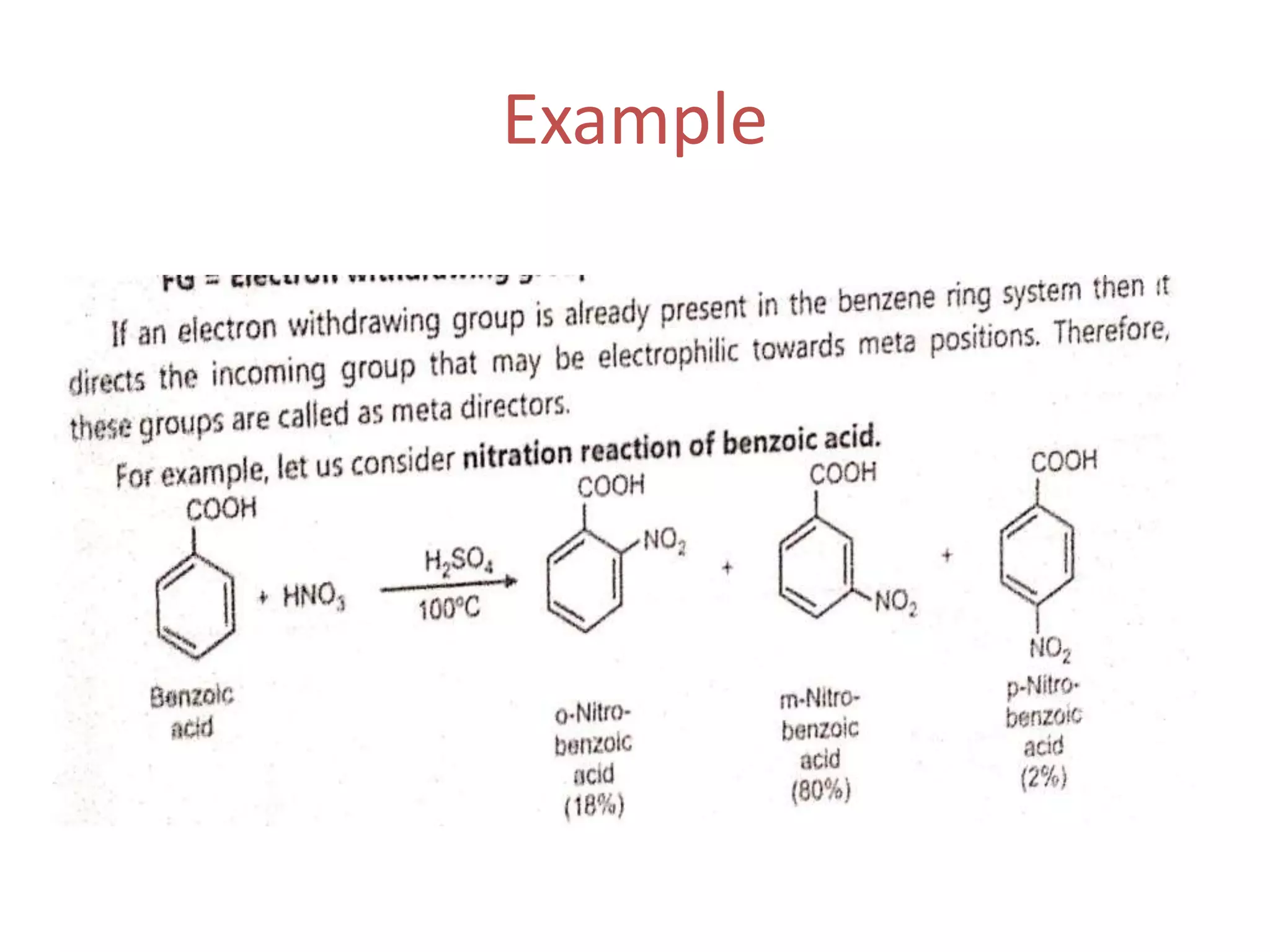
Drawing Substituents on Benzene Rings
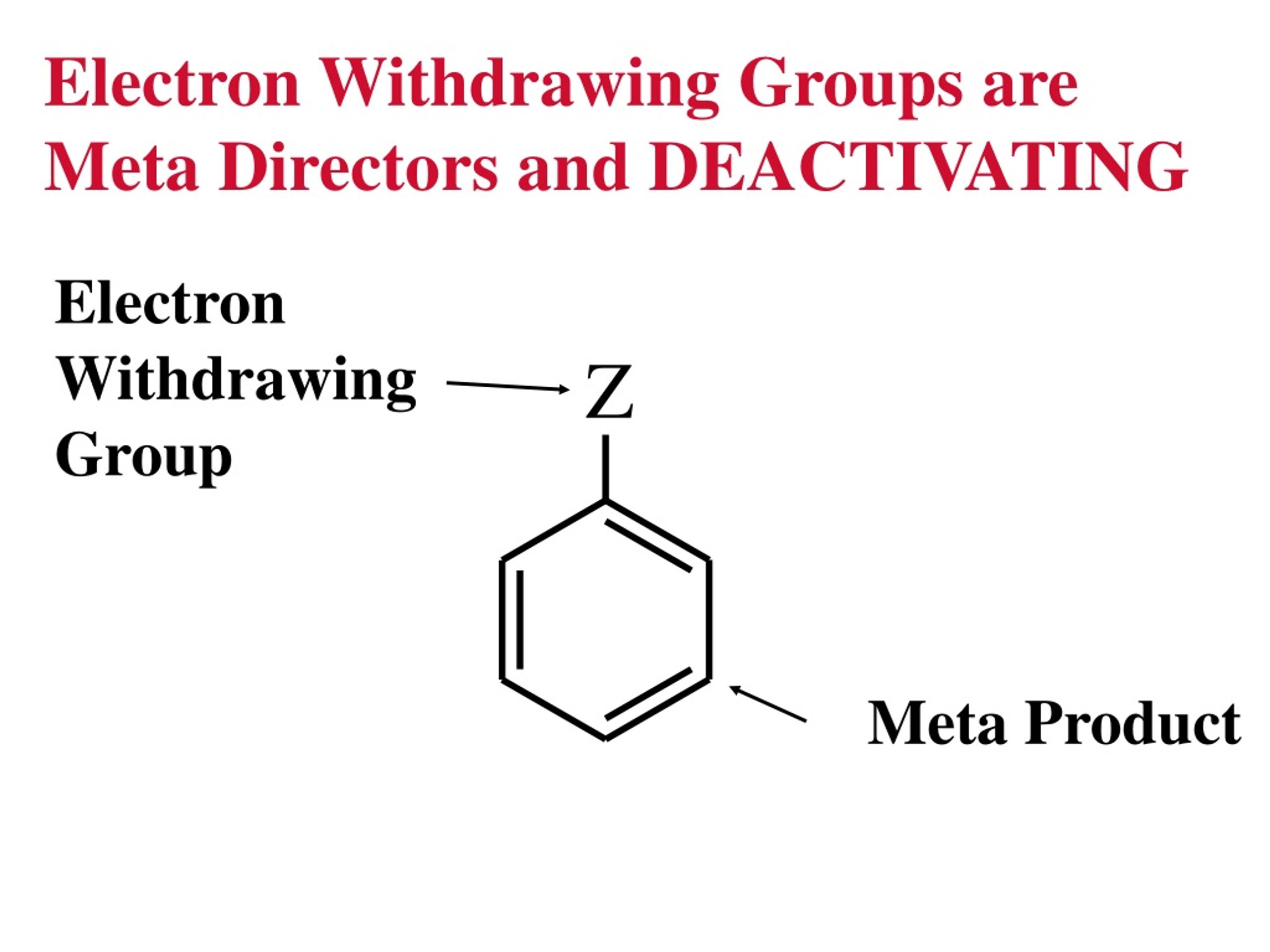
A central part of any chemistry reference sheet involves placing electron donating and withdrawing groups on benzene structures. The drawing usually displays the iconic hexagon of the benzene ring, often drawn with a circle inside to represent the delocalized electrons. Attached to this ring are the various substituents, positioned to show their effect on the ring's reactivity. This is where the concepts of ortho para directors and meta directors become visually distinct.

When sketching these structures, it helps to use a ruler for the hexagon sides to ensure the ring looks stable and symmetrical. Freehand drawing can result in wobbly rings, which might distract from the information. A practical tip is to sketch the ring lightly in pencil first, ensuring the angles are roughly 120 degrees, before adding the functional groups. This setup is ideal for classroom art time where students can create their own colorful charts. For those who enjoy simpler, character-based art, 11 Drawings to Color Disney for Kids and Fans offers a different kind of creative outlet, but the precision required for chemistry diagrams offers its own satisfaction.


Is the Methyl Group Donating or Withdrawing?
One specific detail often found on these charts is the classification of the methyl group electron donating or withdrawing status. A drawing will typically isolate this group to show its specific behavior, often contrasting it with more complex groups like CN. This brings up a common point of study: is cn electron donating or withdrawing? A well-organized chart places the cyano group firmly in the withdrawing category, often showing its strong electron-pulling power through arrows pointing away from the ring.

- Start by lightly sketching the basic skeletal formula.
- Use a ruler for the straight lines representing sigma bonds.
- Draw the resonance arrows clearly to show electron movement.
- Label each group neatly to ensure the chart is readable later.
These details make the drawing a valuable reference for checking the electron donating group order or finding specific electron donating and withdrawing groups examples. Keeping a printed version of this drawing on a desk or stuck to a wall provides a constant, silent reminder of the facts, making it a practical tool for any learning environment.

If you are looking for a straightforward place to begin, simply print a single reference sheet to keep in your notebook. It is much easier to recognize the patterns of electron donating and withdrawing groups when you have a simple visual guide right in front of you while you work.
For a resource that offers plenty of clear space for adding your own notes, you might find these 25 Free Printable White Tailed Deer Drawing Pages helpful to have on hand. Starting with just one page today makes the whole concept feel a little less overwhelming.