If you need a quiet activity that builds fine motor skills, these drawing lessons for preschoolers are a perfect solution. They provide simple, step-by-step guides that help little ones gain confidence with a pencil. It is always helpful to have a stack of printables ready for a rainy afternoon.
The clear instructions make it easy for children to follow along without needing constant guidance. You can even pair these exercises with other resources like Label a Plant Diagram 11 Free Printables to mix art with a bit of science. It is a practical way to keep young hands busy and creative.

Read also:
Typical Drawings Suitable for a 3 Year Old
When considering what a young child should be drawing, the focus often rests on simple, recognizable forms rather than detailed realism. A reference picture suitable for this age group typically features a central subject composed of large, uncomplicated shapes like circles, squares, or triangles. These drawings often depict animals, houses, or the classic sun and tree combination, providing a clear outline that is easy for small eyes to track. The lines are usually bold and distinct, helping toddlers distinguish where one part of the object ends and another begins.

At this stage, the goal is not perfection but rather the exploration of mark-making. A practice picture for this age might show a face with basic eyes and a smile, offering a relatable subject that children enjoy. While parents often wonder what should my 4 year old be drawing, the progression from scribbling to controlled shapes happens naturally with exposure to these kinds of simple models. The drawings act as a visual bridge between abstract movements and intentional representation, making them an ideal starting point for early artistic development.

Easy Step by Step Drawing for Kids
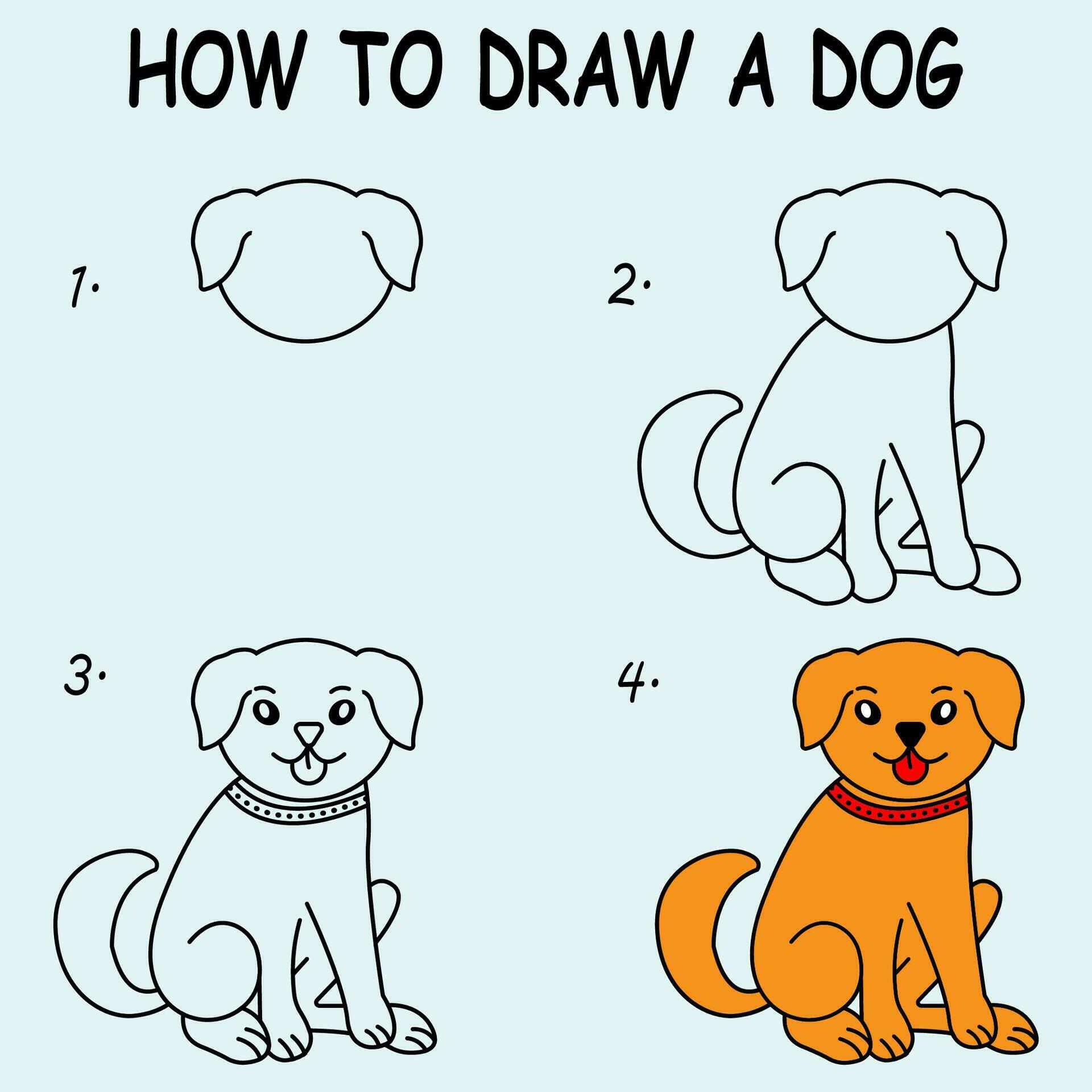
Using a reference image that breaks down a complex object into manageable parts is a highly effective method for young artists. These types of drawing lessons for kids usually present a subject like a flower or a fish, built from the ground up. The visual guide demonstrates how to start with a central shape, perhaps an oval for a body, and then add smaller details incrementally. This approach prevents the child from feeling overwhelmed by showing them exactly where to place the next line.
Following a sequential visual guide helps children understand structure and proportion in a very basic way. They learn to observe the relationship between different shapes, such as how the head sits on top of the body. Looking for easy drawing tutorials that use this method can make a significant difference in a child's willingness to try new things. The process turns a potentially frustrating task into a series of small, achievable victories that build confidence with every stroke of the pencil.

Approaches to Teaching Drawing to Kids
When presenting a drawing to a child, it helps to treat the reference picture as a flexible guide rather than a strict rule. The image serves as a map, showing the general direction and placement of features, but there is no need for a perfect replica. Encouraging the child to identify the basic shapes within the picture first, such as spotting the circles in a car's wheels, simplifies the process. This method of teaching kids art focuses on observation skills, helping them see the world as a collection of lines and forms.

A good reference drawing will often have clear, distinct sections that make this deconstruction obvious. It suits beginners or hobby artists who need a visual anchor while they practice controlling their pencil. In a practical setting, an adult might point out the starting point on the paper and ask the child what shape they see in the reference. This collaborative effort fosters independence, allowing the child to make their own creative choices while staying grounded in the basics of the image.

Helping Kids Learn Drawing Through Practice
Repetition plays a key role in developing fine motor skills, and a single drawing reference can serve multiple purposes over time. A child might use the same picture for tracing one day and freehand sketching the next, slowly building muscle memory. This type of drawing learning for kids allows for experimentation with different tools, such as switching from a thick marker to a finer pencil. The reference picture remains a constant, familiar friend that they can return to as their coordination improves.

These practice sessions are ideal for quiet moments at home or as a settling activity in a classroom. The drawing might show a simple landscape or a character, providing enough interest to keep a child engaged without overstimulating them. Using the image for copying helps bridge the gap between seeing and doing, a core skill in basic sketching classes for older students. Over time, the child becomes more comfortable with the movement required to recreate the lines, turning a frustration into a relaxing pastime.

How to Start Guiding Your Child to Draw
Beginning with a light sketch is a practical tip that applies to artists of all ages. When using a reference drawing, it is helpful to suggest drawing faint lines that can be easily erased or adjusted later. This technique removes the pressure to get it right on the first try, which is often a stumbling block for beginners. It is a useful strategy for those wondering how do i start teaching my child to draw without causing unnecessary stress over mistakes.
Tracing paper is another excellent tool to use alongside the reference picture. It allows the child to understand the flow of the lines without worrying about proportion, acting as a form of physical warm-up. Once they have traced the image a few times, they often feel more prepared to sketch it freehand on a blank sheet. This combination of tracing and sketching warm-ups makes the drawing process feel approachable and fun, rather than a test of skill.

Drawing School Themes for Kids
Subject matter plays a big role in keeping a child interested in the activity. A reference picture featuring a school bus, a backpack, or a chalkboard can be particularly engaging, fitting right into the theme of my school drawing for kids. These subjects usually involve a mix of straight lines and rounded corners, offering a good variety of movements for the hand to practice. The familiarity of the subject matter makes the drawing relatable and encourages storytelling alongside the art.

Such drawings are well-suited for classroom art time or as a back-to-school activity. They provide a structured way to discuss daily routines while working on artistic skills. The reference picture acts as a visual prompt, sparking ideas about color and composition. Whether the goal is a finished piece to display on the fridge or just a quick sketch to pass the time, these school-themed drawings offer a practical and enjoyable way to practice.
If a child isn't in the mood to draw, try using the printables for a simple cutting and pasting activity instead. Older children might have fun adding their own background details or patterns to the basic shapes to make them unique.
Feel free to share how you used these drawing ideas in the comments below. It is always helpful to hear what works best for keeping little hands busy.