Learning to draw detailed textures works best when focusing on a small, specific area rather than a whole creature. A dragon eye drawing offers the perfect way to practice scales and intense shading without getting overwhelmed. For those needing a simpler starting point, a dragon eye drawing for kids is often just a matter of simplifying those jagged shapes.
Clear reference guides make all the difference when tackling new subjects, much like using a [19 Parts in This Diagram of a Cell Labeled] helps with science studies. This printable breaks down the complex anatomy into manageable steps. It is a useful tool for anyone wanting to build confidence with their sketching technique.
You might also like 19 Parts in This Diagram of a Cell Labeled.

Read also:
Mastering the Steps for How to Draw a Dragon Eye
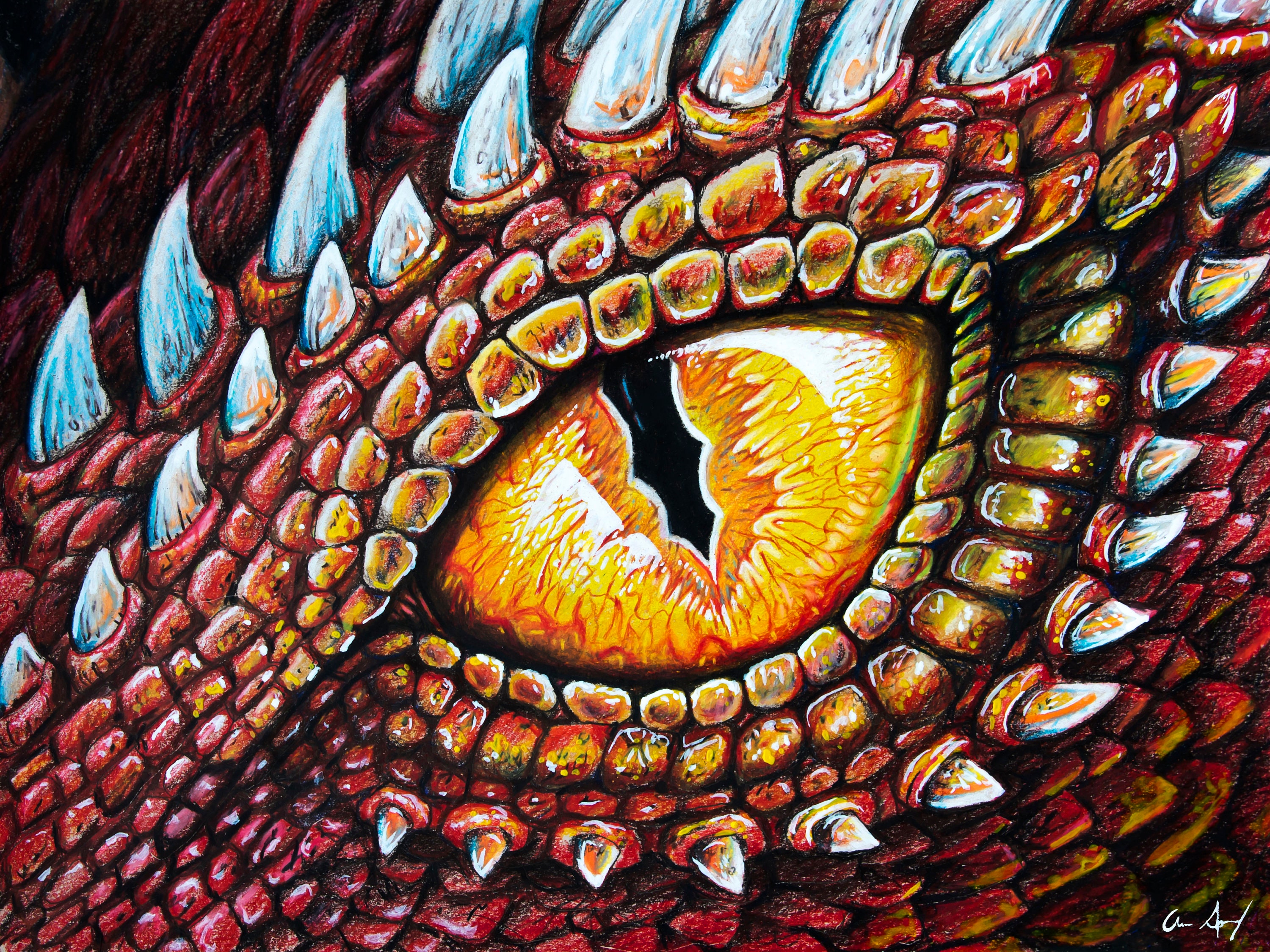
Approaching a dragon eye drawing begins with understanding the unique geometry that sets it apart from a human eye. The most defining feature is usually the pupil, which takes a sharp, vertical slit shape similar to a reptile eye closeup, rather than a round circle. This vertical orientation immediately gives the creature a predatory and ancient look. Artists often start by mapping out a large, almond-shaped outline for the sclera, ensuring there is plenty of room for the intricate iris patterns that follow. Getting these foundational proportions right is the key to a convincing result.
Once the basic shape is in place, the focus shifts to creating the texture of the scales surrounding the eye. Instead of drawing random shapes, a helpful approach involves layering smaller, interlocking plates near the eye itself, gradually increasing their size as they move outward toward the brow and cheek. This creates a sense of perspective and volume. A dragon eye drawing relies heavily on these surrounding textures to make the eye look embedded in a living creature rather than floating on the page. Lightly sketching these scales with a harder pencil grade allows for adjustments without damaging the paper surface before the final shading begins.

Creating a Softer Look with a Cute Dragon Eye Drawing
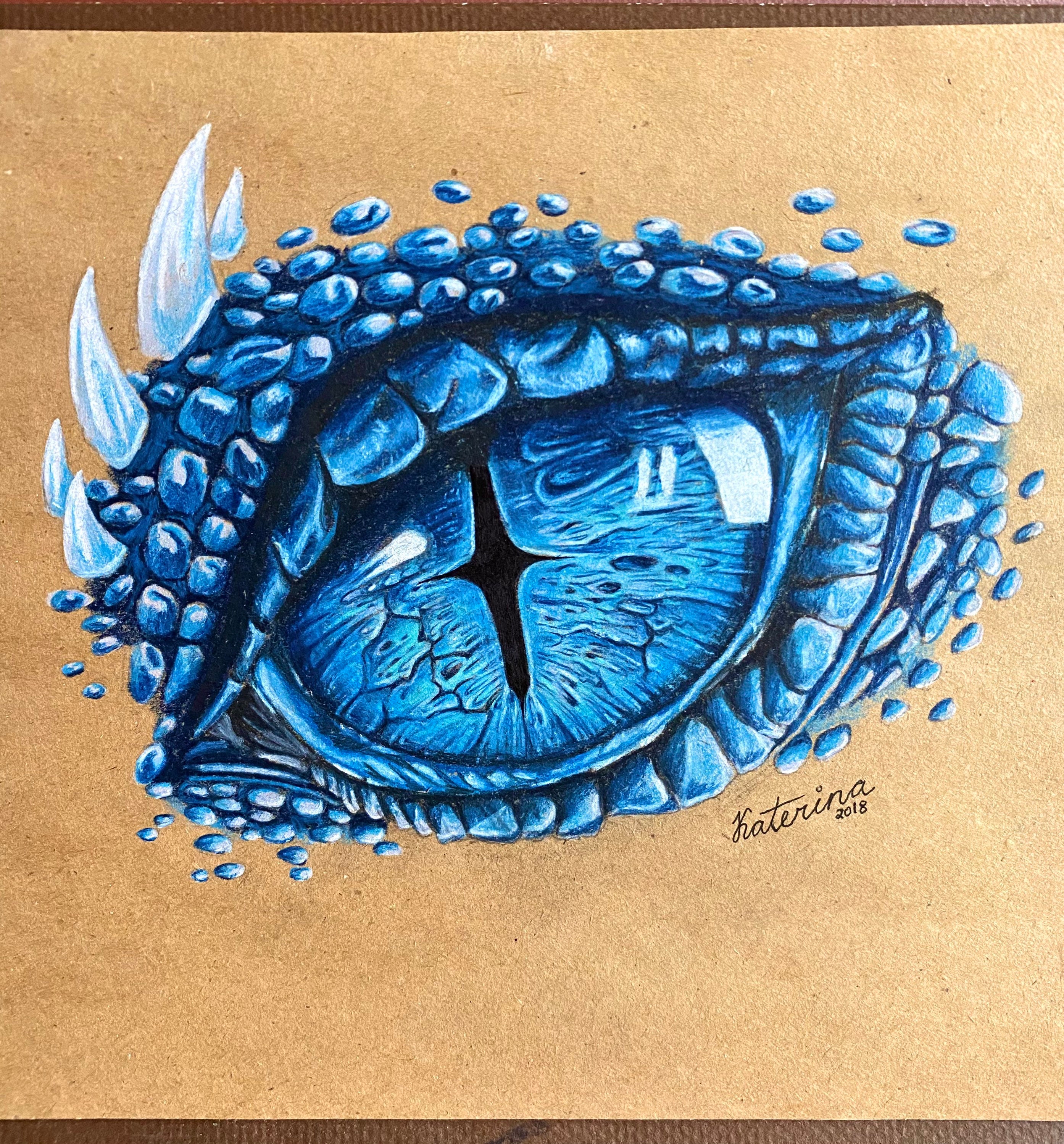
Not every depiction of a mythical creature needs to be fierce or intimidating; sometimes a softer approach is more appealing. A search for a dragon eye drawing cute in style often yields references where the sharp angles are rounded off. The vertical slit pupil might be wider, giving the impression of a cat-like or even friendly curiosity rather than a hunting instinct. The scales in these versions are often simplified into soft, pebbled textures or replaced with smooth skin, making the subject far less daunting to sketch. This style suits hobby artists or anyone wanting to experiment with character design without the pressure of hyper-realism.
When adapting this subject for a gentler look, the shading plays a significant role. Harsh, deep shadows are replaced with soft gradients, perhaps using a blending stump or a smudge stick to smooth out the graphite. An ice dragon eye drawing often falls into this category, favoring clean lines and light, feathery strokes to suggest a cool, frosty environment rather than a fiery temperament. These drawings work well as standalone sketches or as part of a larger character study, offering a satisfying balance between detail and accessibility for those still building their confidence.
Simplifying the Process for a Dragon Eye Drawing for Kids
Introducing young artists to this subject requires simplifying the complex anatomy into manageable shapes. A successful dragon eye drawing for kids breaks the process down into basic lines and forms that are easy to replicate. The intricate, overlapping scales can be replaced with simple bumpy lines or large, easy-to-draw triangles along the brow line. The pupil might remain a vertical slit, but it is often drawn thicker and more pronounced so it is easy to see and fill in with color. This ensures the activity remains fun and frustration-free.
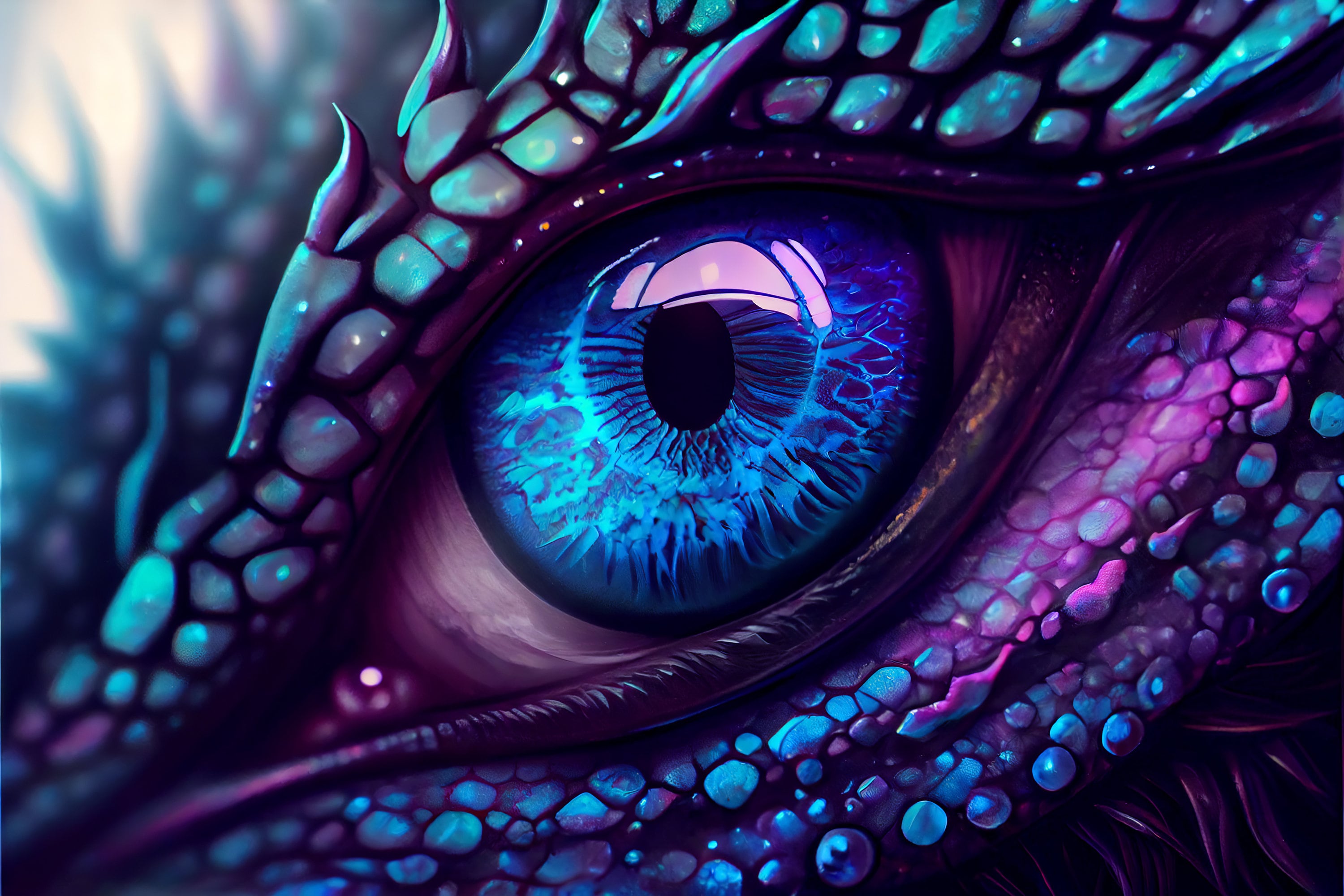
Using a reference that acts as a dragon eye drawing simple enough for beginners helps maintain interest without overwhelming the artist. These simplified diagrams often encourage the use of bold outlines, which are perfect for coloring with crayons, markers, or colored pencils. The goal here is to capture the essence of the dragon—the idea of the scales and the intense gaze—without getting bogged down in texture techniques. It serves as an excellent quiet activity at home or a structured project for a classroom setting, resulting in a recognizable fantasy creature that builds drawing confidence.

Adding Character with a Cute Dragon Eyes Drawing
Different styles allow for different expressions, and a cute dragon eyes drawing often focuses on emotion rather than anatomical correctness. By adjusting the angle of the eyelids, an artist can change the entire mood of the piece. Drooping the upper lid slightly can make the dragon look sleepy or content, while raising the inner corner of the eye can create an expression of surprise or innocence. These subtle shifts turn a standard sketch into a character with personality, making the drawing process feel more like storytelling.
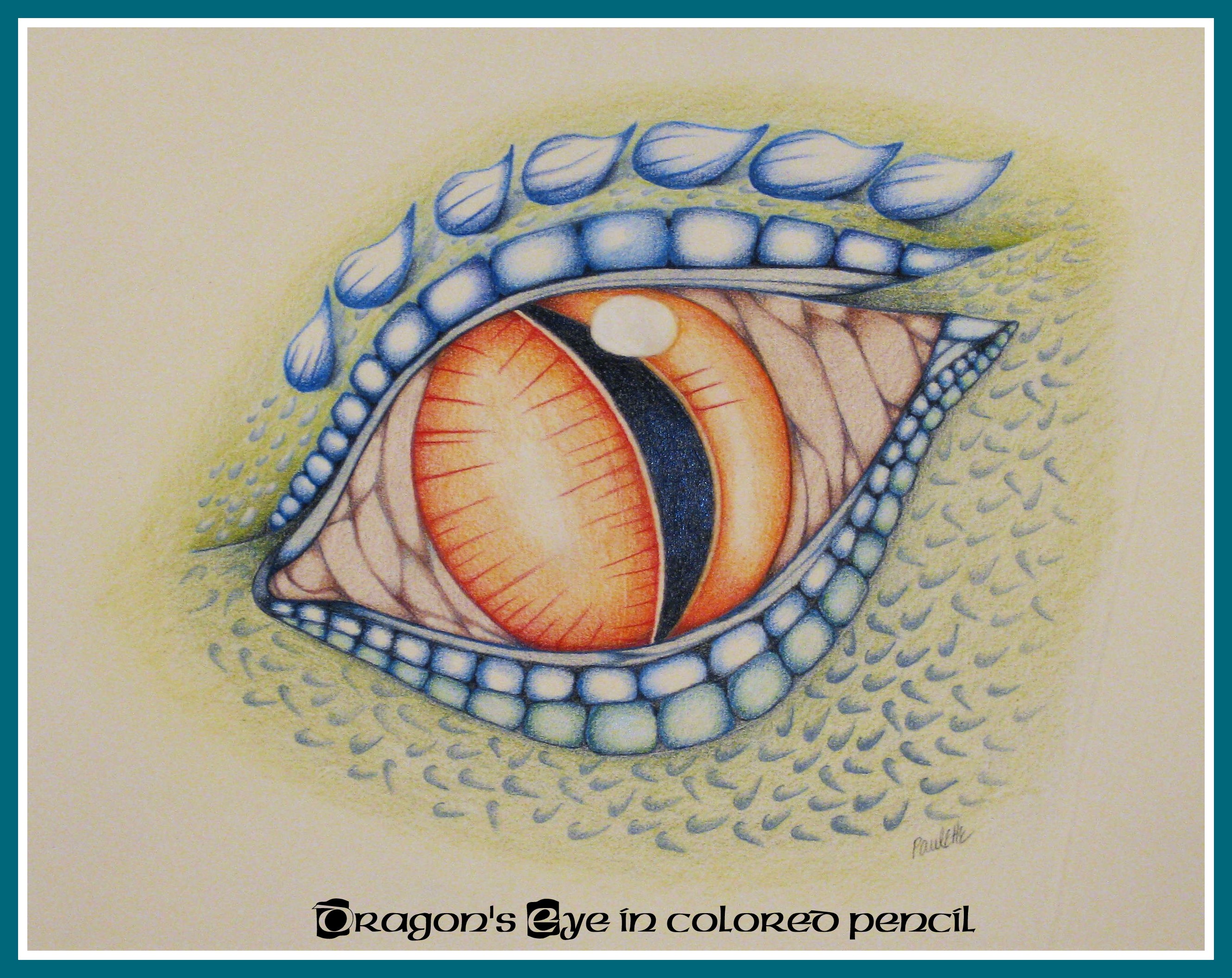
Texture in these drawings often takes a backseat to color and shape. A fantasy art eye in this style might feature large, sparkling highlights in the iris to give it a jewel-like quality. The surrounding scales can be drawn as simple, rounded shapes that look more like beads or soft skin plates than sharp armor. This approach is particularly useful for those who enjoy creating their own characters or illustrating stories. It proves that a mythical creature eye does not always need to be terrifying to be effective; sometimes, a charming and expressive gaze is just as powerful.
Focusing on Contrast in a Dragon Eye Drawing Black and White
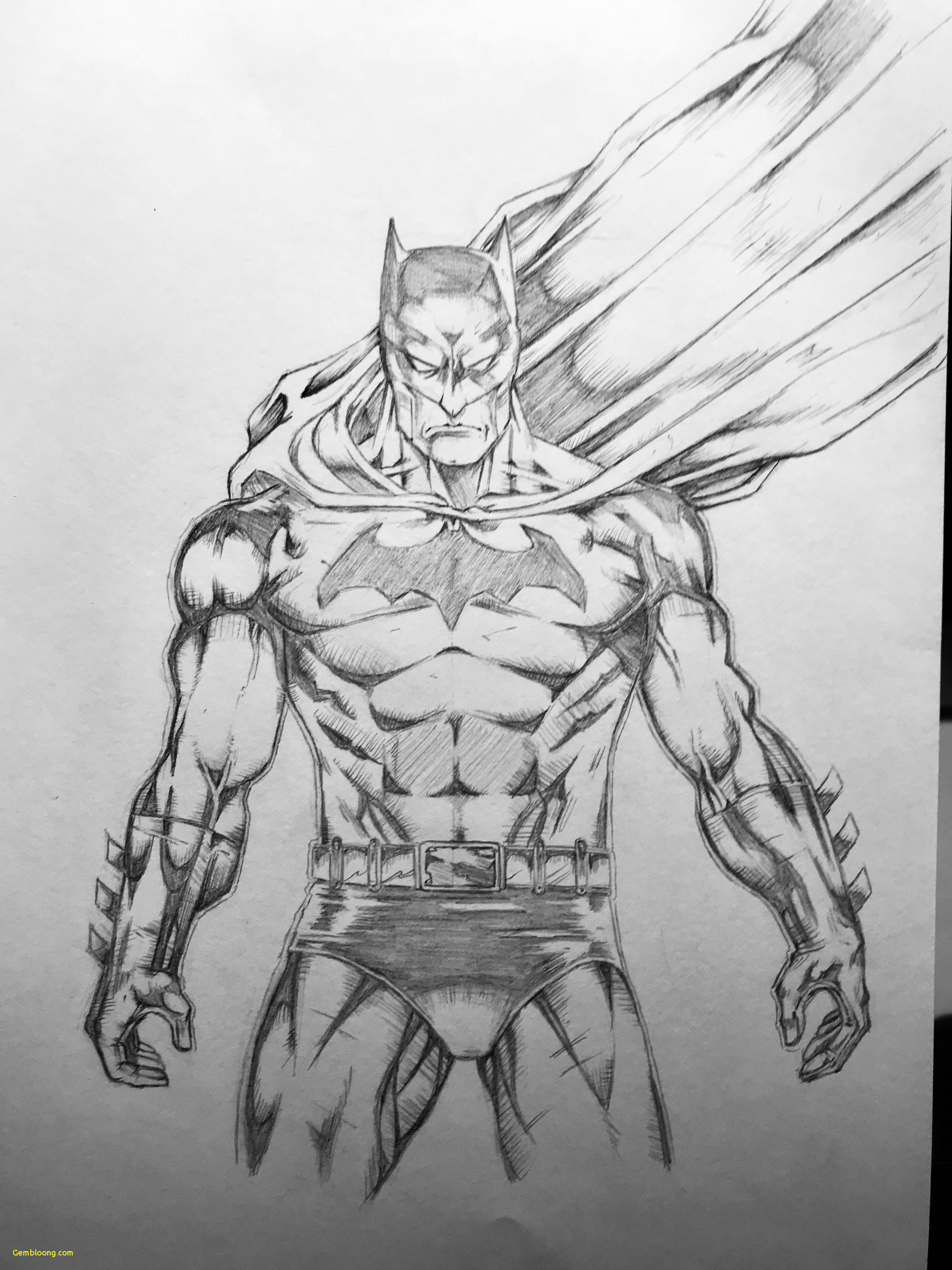
Working without color forces the artist to rely entirely on value and contrast to make the image pop. A dragon eye drawing black and white study is an excellent exercise for understanding light and shadow. The deep black of the pupil provides a strong anchor point, while the varying shades of grey in the iris create depth and movement. This monochromatic approach highlights the scaly eye texture because every ridge and groove must be defined by its shadow rather than its hue. It is a classic method for practicing shading techniques.

For those looking to create a striking fiery dragon gaze or a cold, calculating stare, the direction of the pencil strokes matters immensely. Circular strokes work well for the smooth curve of the eyeball, while directional, short strokes can define the roughness of the skin and scales. Using a range of pencils, from hard leads for light outlines to soft leads for deep shadows, allows for a wide dynamic range. This type of dragon eye drawing reference is perfect for honing technical skills, serving as a timeless practice piece that looks impressive in a portfolio or sketchbook.

Getting that sharp, vertical pupil just right makes all the difference, and it’s honestly a fun detail to play around with once the pencil hits the paper. It’s one of those small touches that instantly gives a drawing a bit of character, much like how using 23 Blank Venn Diagram Templates for Easy Comparison can help organize other creative ideas.
So, grab a sketchbook and see how it goes—there’s no wrong way to practice. You might be surprised at how quickly that reptilian stare comes to life.