If you need a creative starting point for February, these black history month drawings are perfect for coloring pages or art projects. They act as a handy visual aid for anyone looking to explore history through a creative activity. You might pair these with a lesson on black history month colors meaning to add a bit of educational depth to the craft table. For those working on basic techniques, finding a good reference like Where Can I Find a Simple Letter a Drawing? can be just as helpful for building confidence.

Finding inspiration in black history month prints
When looking for a visual starting point, many turn to black history month drawings found in books or online galleries. These images often serve as the foundation for a wide range of art projects, from simple coloring activities to more complex studies. A typical drawing in this style might focus on a portrait of a historical figure or a scene depicting a moment of significance. The lines are usually bold and defined, making it easy to distinguish the subject from the background. This clarity helps artists see where one form ends and another begins, which is helpful for anyone practicing their observation skills.

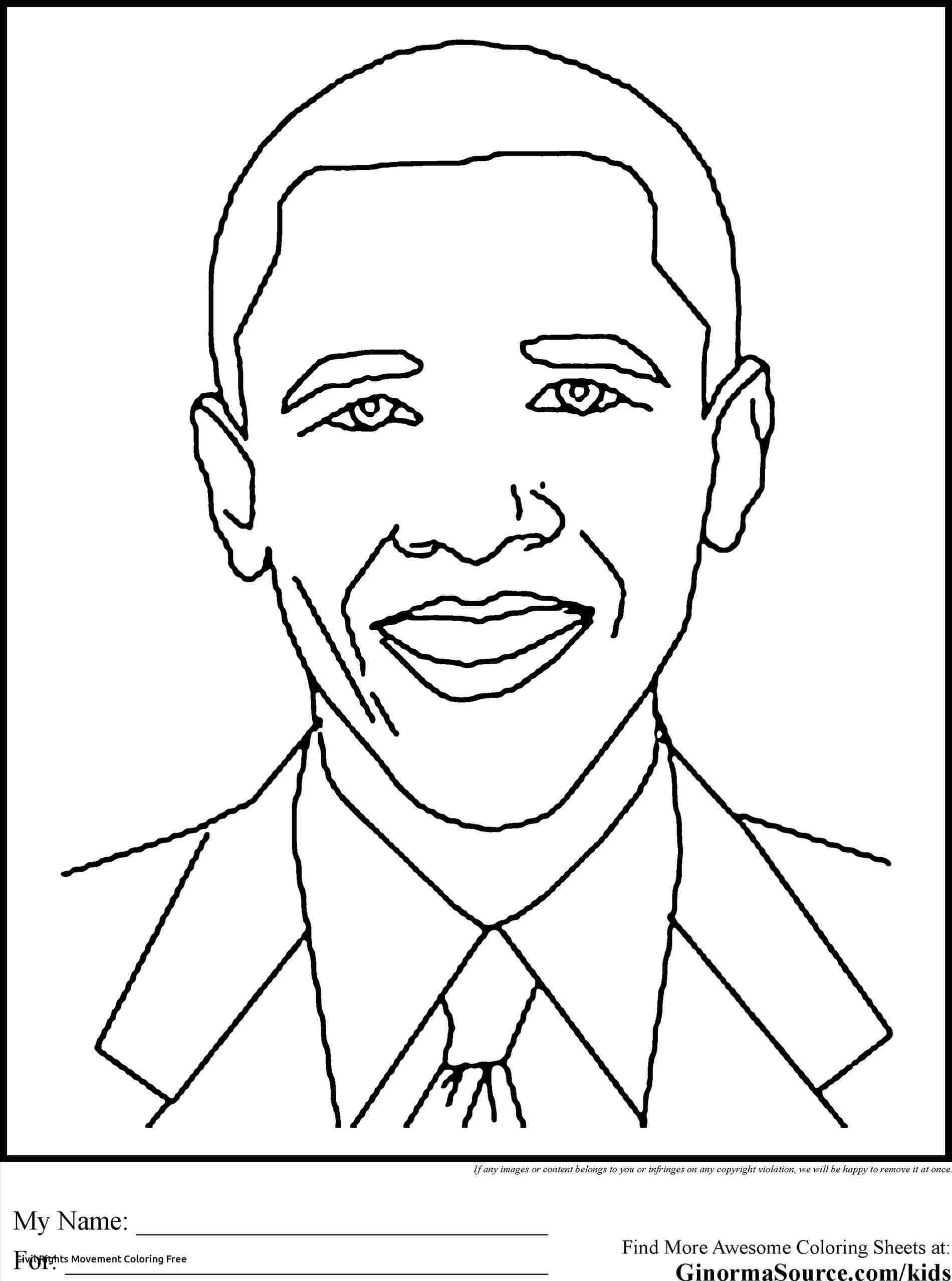
These prints often feature strong contrast, using dark lines against white space to create impact. Subjects might include leaders, activists, or everyday people showing resilience and joy. Because the images are often high-contrast, they work well as references for understanding light and shadow. An artist can look at how the shadows fall across a face or how a silhouette captures a specific posture. This makes them suitable for hobby artists who want to practice capturing a likeness without getting lost in too much tiny detail. The distinct shapes guide the eye and simplify the process of breaking down a complex historical figures art subject into manageable parts.

Studying composition through black history month paintings
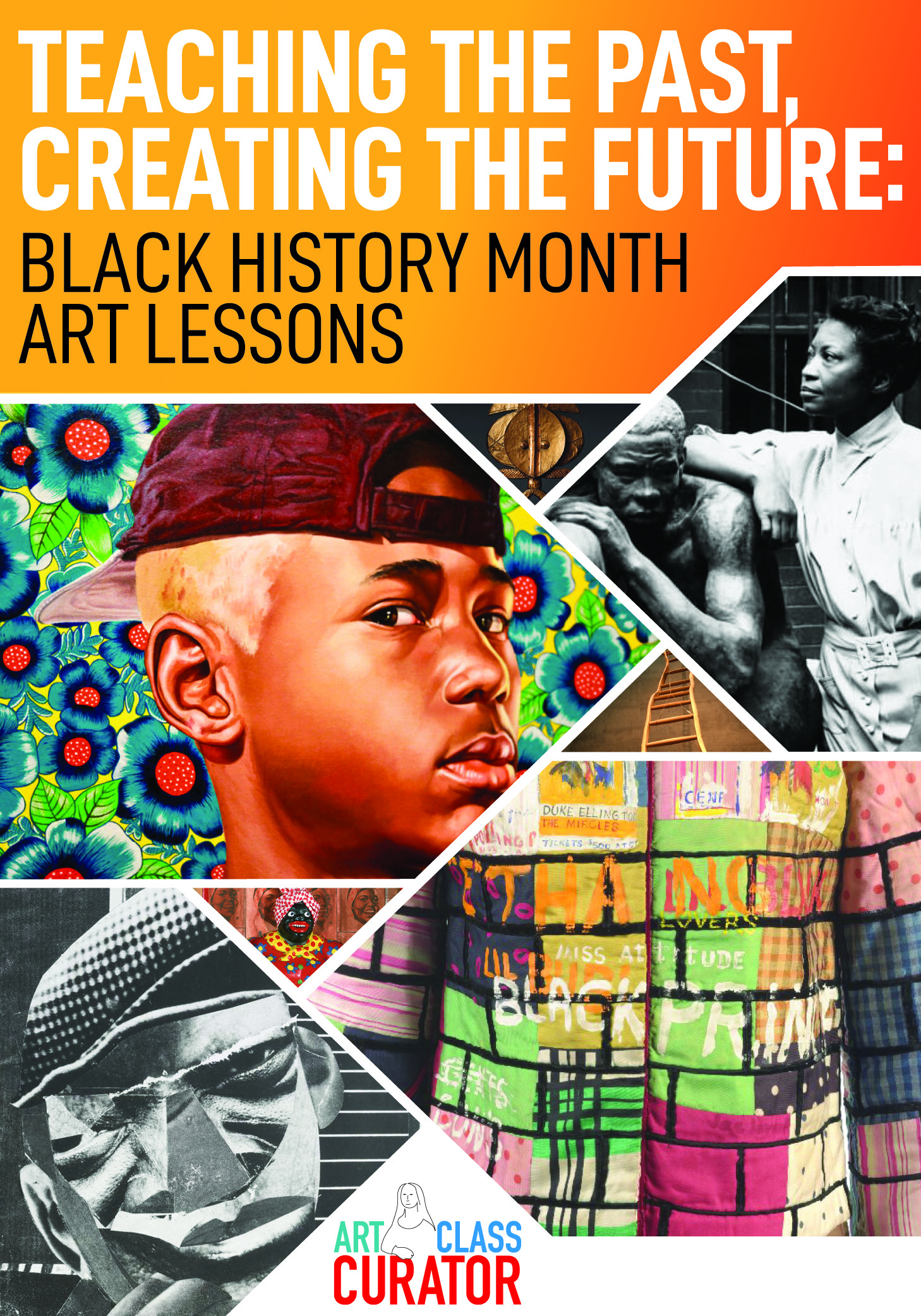
Moving from simple line art to paintings offers a different kind of practice opportunity. While a drawing provides a skeleton, a painting shows how color and texture build up a scene. Those interested in black history month paintings can study how artists use brushstrokes to convey emotion or movement. A painting might show the texture of fabric, the sheen of hair, or the rough surface of a brick wall in a cityscape. Observing these details helps an artist understand how to create depth. For those sketching from such references, focusing on the general shapes rather than the intricate details is a good first step.


When using a painting as a reference for a drawing, try to identify the underlying structure. Look past the colors to see the basic forms the artist used to construct the image. This approach is useful for art students learning to deconstruct complex images. It trains the eye to see the geometry inside the art. A Harriet Tubman sketch or a portrait of a scientist might start with simple ovals for the head and guidelines for the eyes and mouth. Painting references help one understand proportion and placement before adding the finishing touches that bring a drawing to life.


How to use a black history month print out
Having a physical copy of a reference image changes how an artist interacts with it. A black history month print out allows for hands-on study that a screen cannot always provide. One practical use is creating a value study, where the artist shades their drawing to match the lights and darks of the reference. Placing the printout next to the drawing paper lets the artist compare tones side by side. This is a reliable way to improve shading skills. It is also useful for tracing over the major lines with a pencil to understand the flow and rhythm of the original image.

Here is a simple way to use a printout for a sketching warm-up:


- Place the printout on a table and spend a minute observing the largest shapes.
- Sketch those large shapes on paper using light, loose lines to establish the composition.
- Slowly add smaller details, checking the printout frequently to correct proportions.
- Darken the final lines once the placement looks correct.
This method suits beginners who might feel overwhelmed by a blank page. The printout acts as a map, guiding the hand and building confidence. It is a practical approach for anyone wanting to create a black history month simple drawing without stress.


Easy black history month drawings for kids
Simplicity is key when introducing art to younger audiences. Designs meant for children often rely on clear, closed shapes that are easy to recognize and color. Black history month drawings for kids typically feature recognizable symbols like stars, hearts, or open hands, alongside portraits of famous figures. These drawings avoid overly intricate patterns, focusing instead on the silhouette or the overall outline. This style helps children stay within the lines while they color, turning the activity into a lesson on fine motor skills. It also leaves room for creativity, as kids can choose their own colors to fill the bold spaces.


For a quiet activity at home, these simple drawings serve as a great introduction to history. A parent or guardian might set out crayons or colored pencils and let the child explore the image. The straightforward nature of the lines makes it easy to talk about who is in the picture. Discussing the black history month colors meaning, such as the significance of red, black, and green, adds an educational layer to the coloring session. It turns a simple craft into a moment of learning and connection. Just as a teacher might use a diagram to explain a concept, these drawings act as a visual bridge to understanding. For other educational visual aids, resources like How to Use a Plant and Animal Cell Venn Diagram show how comparing two things side by side helps learners grasp new topics.

Creative black history month art ideas for kindergarten
Working with very young artists requires a focus on tactile and sensory experiences. When considering black history month art ideas for kindergarten, the goal shifts from realistic representation to creative expression. Drawings can serve as templates for other media. For example, a simple line drawing of a dove or a unity circle can become a collage project. Children can tear pieces of colored paper and glue them inside the shapes. This uses the drawing as a guide rather than something to copy exactly. It allows for messy, fun exploration while still connecting to a theme.


These activities are perfect for developing hand-eye coordination. A drawing with large, distinct areas works best for this age group. Instead of focusing on getting the drawing "right," the focus is on the process of making marks or filling space. A unity and pride theme might involve tracing hands and arranging them on a larger sheet of paper. The original drawing acts as a starting point, a shape to copy or trace. This approach ensures that the art project remains accessible and enjoyable, fostering a positive association with both art and the subject matter.

Collaborative black history month art ideas for schools
In a school setting, art projects often need to scale up for larger groups. Black history month drawings can become the basis for collaborative murals or group projects. A teacher might take a single reference image and enlarge it onto a big sheet of butcher paper. Students can then work together to fill in the sections. This method works well for creating a large civil rights art display in a hallway or classroom. It encourages teamwork, as each student contributes a small part to the whole picture. The drawing serves as the unifying element that brings everyone's work together.
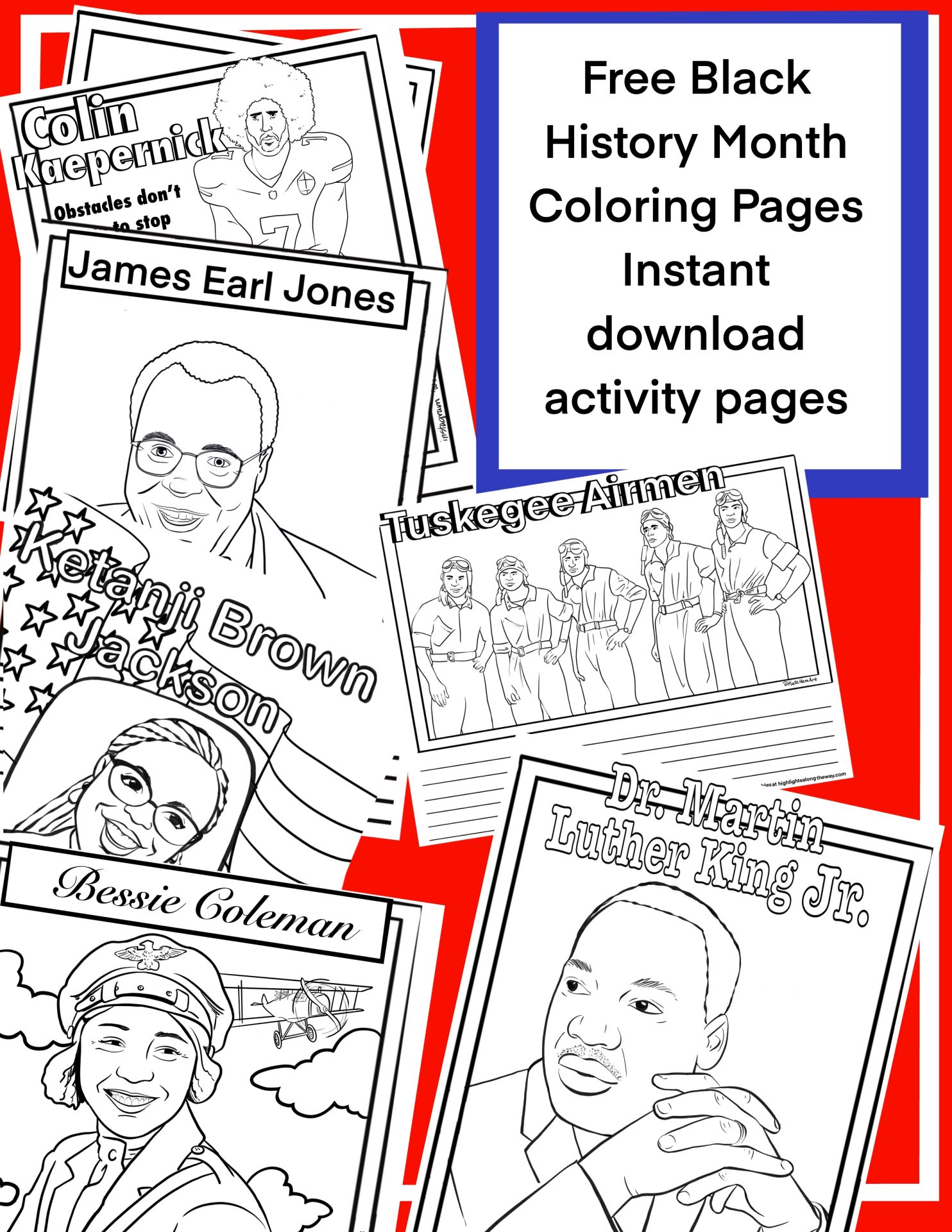
Using drawings as a base for group activities allows for different skill levels to shine. Some students might focus on outlining, while others handle the coloring or shading. A Freedom fighters drawing or an African heritage art pattern can be broken down into grid squares. Each student receives one square to recreate on a larger scale. When assembled, the squares form a cohesive image. This technique teaches students how to view art as a collection of parts. It shows how individual contributions come together to create something bigger, mirroring the themes of community and history often explored during this month. Just as one might look for black history month drawing ideas easy to start, these group projects build confidence through shared effort.

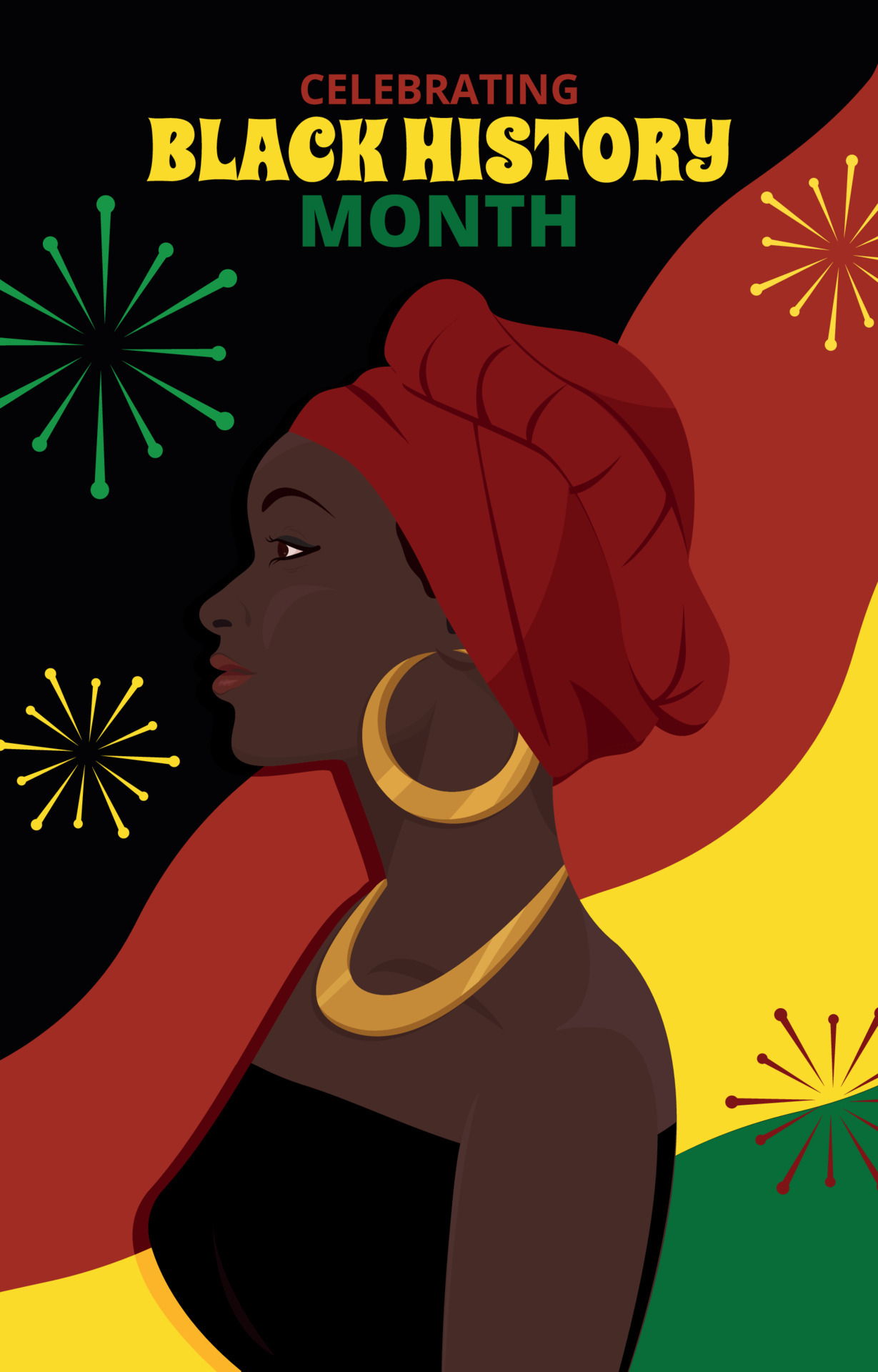
One little trick for getting more mileage out of these printables is to adjust the medium to suit the mood. For younger artists, chunky crayons or markers make filling in large areas much easier, whereas older creators might prefer using fine-tip pens to add detailed patterns or shading to the portraits. It is a simple way to turn a standard coloring page into a more thoughtful study, similar to how you might use visual aids like What Are Tape Diagrams With Fractions? to break down complex ideas into something visual and clear.
However you decide to use these drawings, there is really no wrong way to go about it. If you find a moment to try one out, feel free to let us know in the comments how the project turned out or if you found a different approach that worked well.